Partner booking + instant travel tools
Huaibei, China — Xiangshan Park, Huaibei's clearest hill-park chapter
Huaibei · East - Anhui

Huaibei

1ideal days
¥205mid-range / day
Mar-May and Oct-Nov…best season
Jul 2026checked rules

Before you go: opening hours, ticket prices, transport routes, visa rules and safety conditions in Huaibei change without notice. Confirm current details on official channels before booking or relying on anything here.

Planning reference only — verify current local conditions, opening rules, transport, food, safety requirements and provider information before travel. Huaibei is a quiet northern-Anhui city where Linhuan's old teahouses still serve the local 'bang bang' tea. Welcome to Huaibei. Whether you're here for the ancient history, or simply the thrill of discovering authentic China, this guide strips away the fluff. We focus on exactly what you need to know to navigate Huaibei efficiently, safely, and deliciously.

The Honest Truth about Huaibei

China is incredibly safe and efficient, but navigating Huaibei as a foreigner requires preparation. English is practically non-existent outside of major luxury hotels. Download Alipay or WeChat and link your foreign card before arriving—cash is almost universally rejected. Use Apple Maps for walking (Google Maps is severely offset in China). Pad your travel times between spots to account for massive urban scale.

Getting There & Around

Reachable by China's high-speed rail network and regional flights. Confirm current routes, schedules, fares, availability and operator conditions before relying on travel plans.

When to Visit

Planning reference — Spring and autumn. Weather, access, seasonal conditions and local restrictions can change; verify before travel.

Start here

How this Huaibei guide works.

This guide is built to be different from the generic listicles — field-checked, honest about the trade-offs, and ordered the way you actually plan a trip. Read it top to bottom, or jump straight to what you need.

Plan it in the right order

1 · Before you book — visa, budget and the best season for Huaibei, so you lock in the right dates.

2 · What to see — the anchor sights worth your limited time, with tickets, hours and how to arrive.

3 · What to eat — the Huaibei dishes, real prices and the exact places locals rate.

4 · Where to stay — the right neighbourhood base for your budget and travel style.

5 · Itinerary — how many days Huaibei really needs, plus a day-by-day plan.

6 · FAQ & trust — verified facts, prices and the official sources so you can re-check everything yourself.

Why you can trust this page

It is written for first-time foreign visitors and was re-checked in July 2026. Every price, opening time and transit note names its source, and the emergency numbers (police 110, ambulance 120, fire 119) are kept one tap away throughout.

No forced tours and no pay-to-play rankings — just what we would tell a friend flying into Huaibei.

Before you arrive

What's the catch?

Huaibei is a brilliant destination, but the friction for first-time foreign visitors is real. Here is what trips people up, and exactly how to beat it.

Language Barrier

English is essentially non-existent outside international hotels. Menus, signs, and drivers will be exclusively in Chinese.

Download Baidu Translate. Google Translate works with VPN, but Baidu is faster natively. Use its camera translation mode for menus.

The Cashless Reality

Vendors, taxis, and even street musicians expect WeChat or Alipay. Handing over cash will often result in vendors having no change.

Setup Alipay before you arrive. Link your foreign Visa/Mastercard, complete the ID verification at home, and you're good to go.

Google Maps is Broken

Due to China's GPS offset, Google Maps places roads over rivers and shops in the wrong blocks. It is functionally useless here.

Use Apple Maps. Apple licenses local map data in China, so it's perfectly accurate in English. Android users must navigate Baidu Maps (Chinese only).

The Great Firewall

Google, WhatsApp, Instagram, YouTube, and many foreign news sites are completely blocked on Chinese Wi-Fi and local SIM cards.

Get an eSIM. If your phone supports it, an eSIM (like Airalo or Holafly) routes data through Hong Kong, automatically bypassing the firewall entirely.

The Pre-flight Checklist

Alipay & WeChat
Cash is obsolete. Link your foreign Visa/Mastercard to Alipay (and verify your passport) before leaving home.
eSIM or VPN
Without this, you cannot access Google, WhatsApp, or Instagram. An eSIM is vastly superior to a VPN for speed and battery life.
Trip.com
The only app you need for high-speed trains, flights, and many attraction tickets. Flawless English and accepts foreign cards.
Physical Passport
You must carry it everywhere. Your passport is your ticket for trains and museums—they scan it at the turnstiles.
Essential Huaibei

The Highlights.

Do not collect sights randomly. Use these authentic local highlights as the spine of your trip.

The Perfect Itinerary for Huaibei

Day 1: Core Highlights. Start early at Xiangshan Park, beating the tour groups. Spend the afternoon exploring Linhuan ancient town and its bang tea houses and finish with a dinner of Anhui fish dishes.

Day 2: Deeper Dive. Dedicate the morning to The Longji Mountain. If time permits, visit a scenic viewpoint before an evening stroll.

Xiangshan Park in Huaibei

Xiangshan Park

#1 priorityWalk or transit

Climbing Xiangshan Park is the big-nature highlight of Huaibei, the scenery shifting as the mist lifts. Xiangshan Park rewards an unhurried visit, and it is best visited soon after it opens. To get there, Xiangshan Park is a straightforward metro-or-taxi hop from the city centre; set aside a half-day if you can, and confirm Xiangshan Park's current schedule and any advance-booking requirement before you arrive.

Stairs, and lots of them

Xiangshan Park is climbed on endless stone steps, so wear real shoes and carry water on the way up.

Linhuan ancient town and its bang tea houses in Huaibei

Linhuan ancient town and its bang tea houses

Half dayWalk or transit

Wander Linhuan ancient town and its bang tea houses to feel the real pulse of Huaibei, then duck into the quieter alleys. Linhuan ancient town and its bang tea houses rewards an unhurried visit, and it is calmest early, before the tour groups arrive. To get there, Linhuan ancient town and its bang tea houses is a straightforward metro-or-taxi hop from the city centre; try not to rush it, and always confirm Linhuan ancient town and its bang tea houses's current opening hours and ticket price on its official channel before you go.

Souvenir sameness

The main lane of Linhuan ancient town and its bang tea houses sells identical mass-made trinkets; enjoy the vibe but buy elsewhere.

The Longji Mountain in Huaibei

The Longji Mountain

Half dayWalk or transit

Climbing The Longji Mountain is the big-nature highlight of Huaibei, the scenery shifting as the mist lifts. The Longji Mountain rewards an unhurried visit, and it rewards an early start. To get there, getting to The Longji Mountain is easy by bus, metro or ride-hail; give yourself enough time to slow down, and look up The Longji Mountain's official hours and ticketing the day before, as details change seasonally.

Stairs, and lots of them

The Longji Mountain is climbed on endless stone steps, so wear real shoes and carry water on the way up.

Linhuan gives the destination real old-town ballast in Huaibei

Linhuan gives the destination real old-town ballast

Ancient townContextDepth

Wander Linhuan gives the destination real old-town ballast to feel the real pulse of Huaibei, then duck into the quieter alleys. Linhuan gives the destination real old-town ballast is worth putting near the top of your Huaibei list, and it is best visited soon after it opens. To get there, Linhuan gives the destination real old-town ballast is usually reachable by metro, bus or a short taxi ride from the centre; set aside a half-day if you can, and verify Linhuan gives the destination real old-town ballast's up-to-date opening times and entry policy online before your visit.

Worth adding

This chapter stops Huaibei from sounding too thin and gives it a clearer historical center of gravity.

Older food streets keep the city lived and practical in Huaibei

Older food streets keep the city lived and practical

Old streetTextureSpecificity

Older food streets keep the city lived and practical is where Huaibei eats and hangs out; the best bits are one turn off the main drag. Older food streets keep the city lived and practical is one of the sights most visitors build their day around, and it rewards an early start. To get there, Older food streets keep the city lived and practical is a straightforward metro-or-taxi hop from the city centre; try not to rush it, and look up Older food streets keep the city lived and practical's official hours and ticketing the day before, as details change seasonally.

Worth adding

One neighborhood chapter helps Huaibei feel inhabited and less generic.

Tea-house texture should widen the story, not replace the city in Huaibei

Tea-house texture should widen the story, not replace the city

TeaMoodUse carefully

Tea-house texture should widen the story, not replace the city is a fixture of any serious Huaibei trip and rewards an unhurried visit. Tea-house texture should widen the story, not replace the city is a fixture of a well-planned Huaibei day, and it is best visited soon after it opens. To get there, Tea-house texture should widen the story, not replace the city is a straightforward metro-or-taxi hop from the city centre; plan for a couple of unhurried hours, and look up Tea-house texture should widen the story, not replace the city's official hours and ticketing the day before, as details change seasonally.

Worth adding

This older-town detail works best as support rather than the whole reason to visit.

More Huaibei

Choose by traveler type.

Anchor

Xiangshan opens the case, but should not carry everything alone

The park chapter matters, yet Huaibei becomes persuasive only once Linhuan, one local-street layer and a clearer food voice share the page.

Essential anchor
Old-town layer

Linhuan gives the city its best widening note

Without this chapter, Huaibei can sound too generic, too practical and too thinly specific.

Historic depth
Urban range

One lake-edge or neighborhood chapter should widen the page, not replace the city

Used carefully, the supporting city layer gives Huaibei texture without stealing the park-and-old-town logic from itself.

Range gain
Street texture

Tea-house and market texture should do real work

One honest local chapter helps Huaibei feel inhabited and more regionally legible.

Use carefully
Food tone

The table should feel fish-led, tofu-backed and distinctly Anhui-rooted

Anhui fish dishes, stinky mandarin fish, mao tofu and smaller comfort-bowl chapters make Huaibei sound grounded instead of generic inland China.

Eat smarter
Pacing

Slower city rhythm matters as much as attraction count

Huaibei improves when the page admits that calmer local pacing is part of the reason to stay.

Editorial control
Photo logic

Use hill form, old-town texture, tea-house mood and warmer bowl detail

That mix gives Huaibei stronger identity than one more anonymous practical-city frame.

Visual strategy
Why it works

Huaibei can become one of China's strongest underread local-city pages

Once park air, one older-town chapter, one calmer urban layer and a clearer Anhui table all share the frame, the destination becomes much more persuasive.

Big-picture value

Skip, swap or treat carefully

Skip / Swap

Treating Huaibei as only a practical industrial or rail stop and skipping the Xiangshan, Linhuan and food layers that give it identity

Treating Huaibei as only a practical industrial or rail stop and skipping the Xiangshan, Linhuan and food layers that give it identity

Skip / Swap

Letting one park chapter stand in for the whole destination instead of building a fuller slower-city story

Letting one park chapter stand in for the whole destination instead of building a fuller slower-city story

Skip / Swap

Choosing generic chain dining and missing the more useful Anhui fish-and-tofu logic that makes Huaibei sound regionally rooted

Choosing generic chain dining and missing the more useful Anhui fish-and-tofu logic that makes Huaibei sound regionally rooted

Skip / Swap

Weekend crowds

Saturday and holiday crowds double wait times at popular sights. Go midweek if you can.

Where to stay

NeighborhoodHighlightsCrowdsBest for
Central Huaibei / easy city accessBest for first-timers who want the clearest balance of city movement, easier food runs and smoother access to Huaibei's strongest core chapters.MediumFirst-timers
Near Xiangshan approachBest for travelers who want simpler access to the city's strongest hill-park chapter without losing urban convenience completely.MediumBalanced stays
Quieter old-neighborhood edgeBest for slower travelers who want calmer local pacing than the busier central strips offer.LowSlow travelers
Transit-first stay only if neededUseful only if rail convenience is the main priority, not for the strongest version of Huaibei itself.LowTransit efficiency
Anchor

Xiangshan still carries the first proof

It remains the fastest way to make Huaibei feel geographically calmer and immediately distinct.

Headline proof
Depth

Linhuan keeps the city less one-note

One older-town layer gives Huaibei a much stronger inner structure after the park opener.

Historic depth
Texture

Older lanes should support, not disappear

The destination gets stronger when neighborhood texture is allowed to do real work.

Specificity
Food voice

Keep the table fish-led, tofu-backed and clearly Anhui

Fish, tofu and smaller comfort bowls make the city sound grounded instead of generic.

Editorial core
Pacing

Local calm should slow the page down

Huaibei lands better when the guide protects slower local rhythm instead of forcing nonstop checklist speed.

Planning logic
Visuals

Hill form, tea texture and bowl detail do real work

That mix gives Huaibei stronger identity than one more anonymous practical-city frame.

Photo strategy
Big picture

Everyday-city calm is part of the value

Huaibei improves the moment the page sounds composed, regionally grounded and honestly scaled rather than overclaimed.

Mood control
Huaibei moveWhy it worksWhenBest for
Xiangshan firstYou establish the city's clearest open-air identity before the wider supporting chapters arrive.Day 1First-timers
Linhuan with timeThe page gains texture and historical intelligence instead of sounding like a modest park stopover.DaytimeBalanced travelers
Street or lake chapter as rangeThe outer chapter widens Huaibei without erasing the city itself.Day 2Travelers with time
Fish or tofu dinner after the park chapterThe food lands better once Huaibei's calmer local mood is already visible.EveningFood-first travelers
Finish strong

The details that make Huaibei feel complete.

The goal is not merely to make Huaibei pass. It is to make the page clearly stronger than the benchmark by leaning into what Huaibei actually owns: Xiangshan breathing room, Linhuan older-town texture, one calmer everyday-city layer and a food voice that feels recognizably Anhui from the first proper dish onward.

Who Huaibei suits best

It is strongest for travelers who value slower local-city rhythm, one honest park anchor and a more grounded Anhui food sequence over nonstop headline monuments.

It is weaker only for travelers who need major iconic sights every hour and no everyday-city logic at all.

What to photograph, and why

Huaibei needs one hill-park image, one old-town or tea-house frame, one local-street chapter and one food image. That layered brief is what stops the page from becoming only a generic practical-city summary.

It turns Huaibei into a fuller local-city argument.

Best fit

Slower city travelers

Huaibei is excellent when you want a lower-pressure, more local China chapter.

Best fit

Fish-and-tofu travelers

The destination rewards people who care about how bowls, fish and smaller Anhui dishes fit together.

Watch out

Reducing the city to a practical stop

The trip becomes much stronger once the park and food layers are treated as essential.

Watch out

Letting one park chapter dominate

Xiangshan should widen Huaibei, not replace the fuller city story.

Upgrade

Protect one Xiangshan-and-fish sequence

That single move upgrades the whole Huaibei argument immediately.

Upgrade

Use food to humanize the calmer city scale

Fish dishes, tofu and smaller Anhui snacks are the easiest way to make Huaibei feel complete and lived-in.

Eat smarter

How to eat Huaibei properly.

Huaibei food should feel fish-led, tofu-backed and distinctly Anhui-rooted, because the destination is strongest when the table sounds tied to local fish dishes, stinky mandarin fish, mao tofu and simpler comfort-bowl chapters rather than generic practical-stop dining.

What outsiders often get wrong

They reduce the table to anonymous convenience meals between modest sights. The stronger guide uses fish, tofu and smaller Anhui comfort chapters to give Huaibei a real local voice.

The page should sound regional, not generic.

How to structure your eating

Use one serious fish chapter, one tofu move, one soup-or-noodle sequence and one quieter tea-house or snack finish. Huaibei becomes more persuasive when the meals echo the same calmer local-city rhythm as the rest of the page.

That continuity is the point.

Core move

Fish dishes still open the table

They are the fastest way to make Huaibei sound unmistakably local and not merely generic Anhui.

Signature chapter
Specificity

Stinky mandarin fish gives the page real Anhui ballast

One stronger classic does more for local credibility than another anonymous shared plate.

Regional layer
Finish

Mao tofu keeps the table structurally memorable

That smaller snack chapter helps Huaibei feel materially local rather than purely convenient.

Local intelligence
Tone

Soup bowls and breakfast breads fit the city's scale

They keep the table aligned with Huaibei's more practical everyday rhythm.

Mood fit
Range

Simple comfort beats forced food theatrics

Grounded, practical dishes suit the city much better than oversized dining claims.

Everyday value
Finish

Keep dessert or tea-house endings modest

A quieter local finish suits Huaibei much better than anything overdesigned.

Editorial finish
Food & Dining

What to eat in Huaibei.

You are in one of the best food regions on earth. Skip the hotel breakfast and hit the streets for these regional specialties.

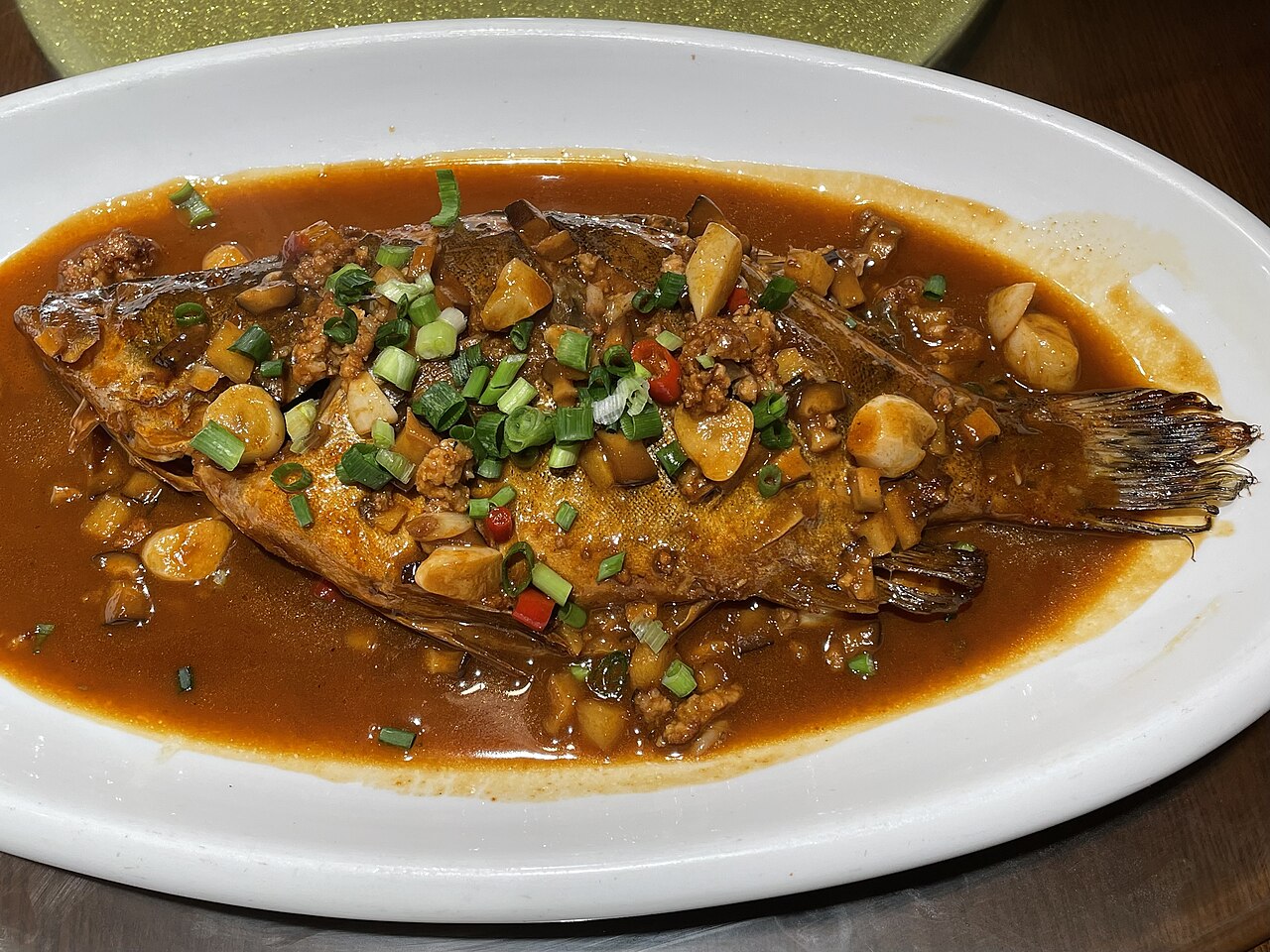
Chinese braised river fish

Anhui fish dishes

Crowd-pleaser

a dish Huaibei does better than almost anywhere. Anhui fish dishes is the taste of Huaibei you really should not skip. When you go looking for Anhui fish dishes, it rarely costs much, so pick the busiest stall for the freshest version. Skip the hotel restaurant and hunt Anhui fish dishes at the busiest Huaibei spot instead.

Huizhou stinky (fermented) mandarin fish

Stinky mandarin fish

Crowd-pleaser

a dish Huaibei does better than almost anywhere. Stinky mandarin fish is the taste of Huaibei you really should not skip. When you go looking for Stinky mandarin fish, it's an affordable local staple, so follow the crowds to the vendors with the fastest turnover. Skip the hotel restaurant and hunt Stinky mandarin fish at the busiest Huaibei spot instead.

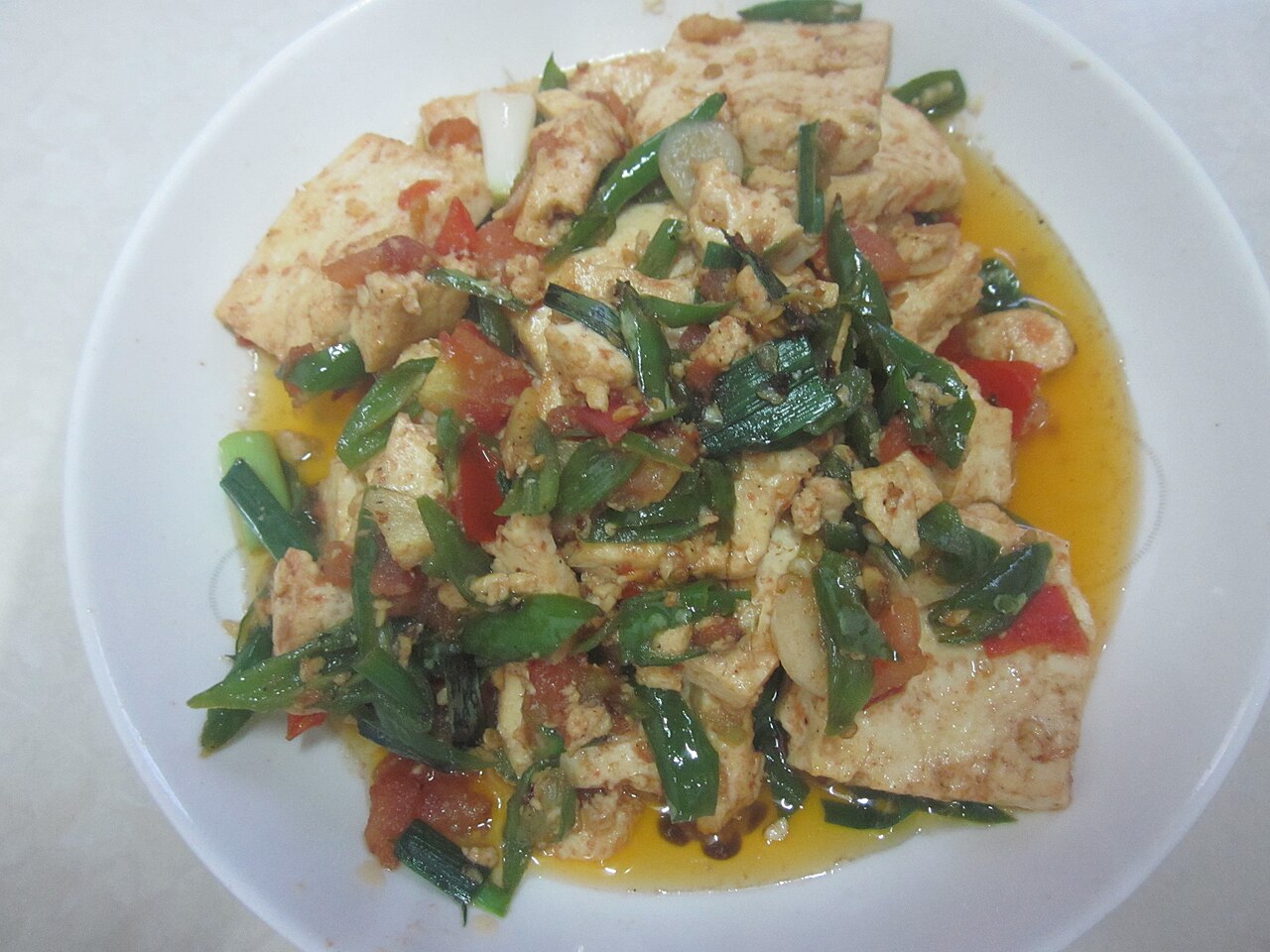
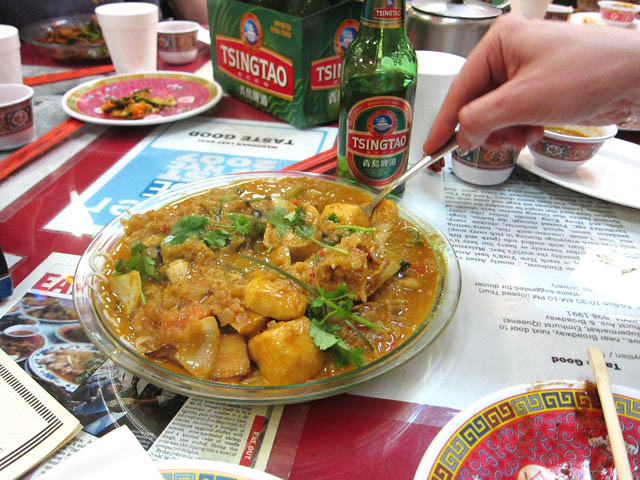
Home-style Chinese tofu

Mao tofu

Crowd-pleaser

a dish Huaibei does better than almost anywhere. Mao tofu is the taste of Huaibei you really should not skip. When you go looking for Mao tofu, it's cheap and satisfying, so trust the spots locals line up for. Skip the hotel restaurant and hunt Mao tofu at the busiest Huaibei spot instead.

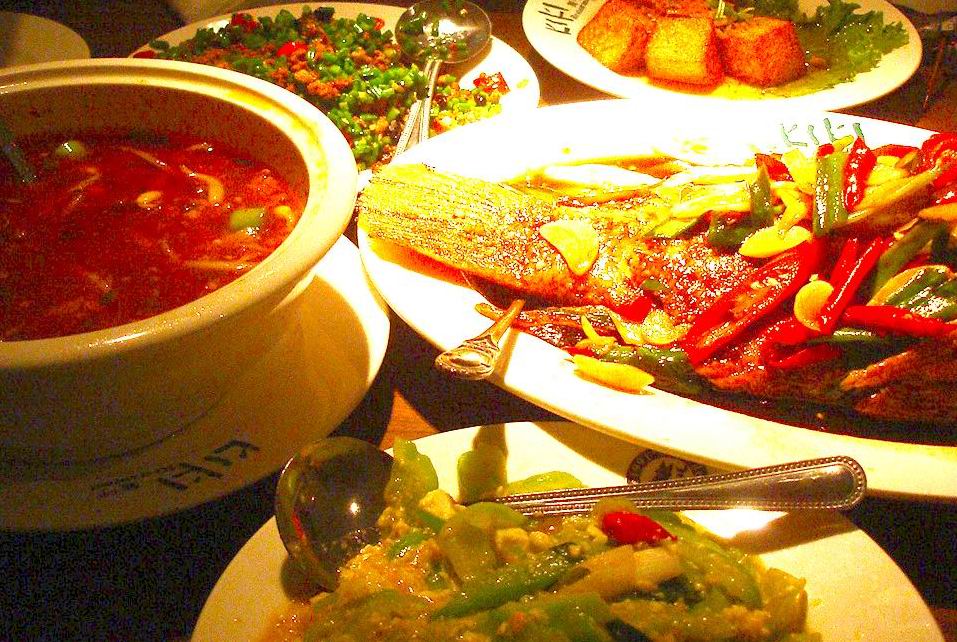
Assorted Chinese dishes

Northern-Anhui soups and simpler comfort bowls

For the brave

a dish Huaibei does better than almost anywhere. Northern-Anhui soups and simpler comfort bowls is the taste of Huaibei you really should not skip. When you go looking for Northern-Anhui soups and simpler comfort bowls, it's cheap and satisfying, so pick the busiest stall for the freshest version. Skip the hotel restaurant and hunt Northern-Anhui soups and simpler comfort bowls at the busiest Huaibei spot instead.

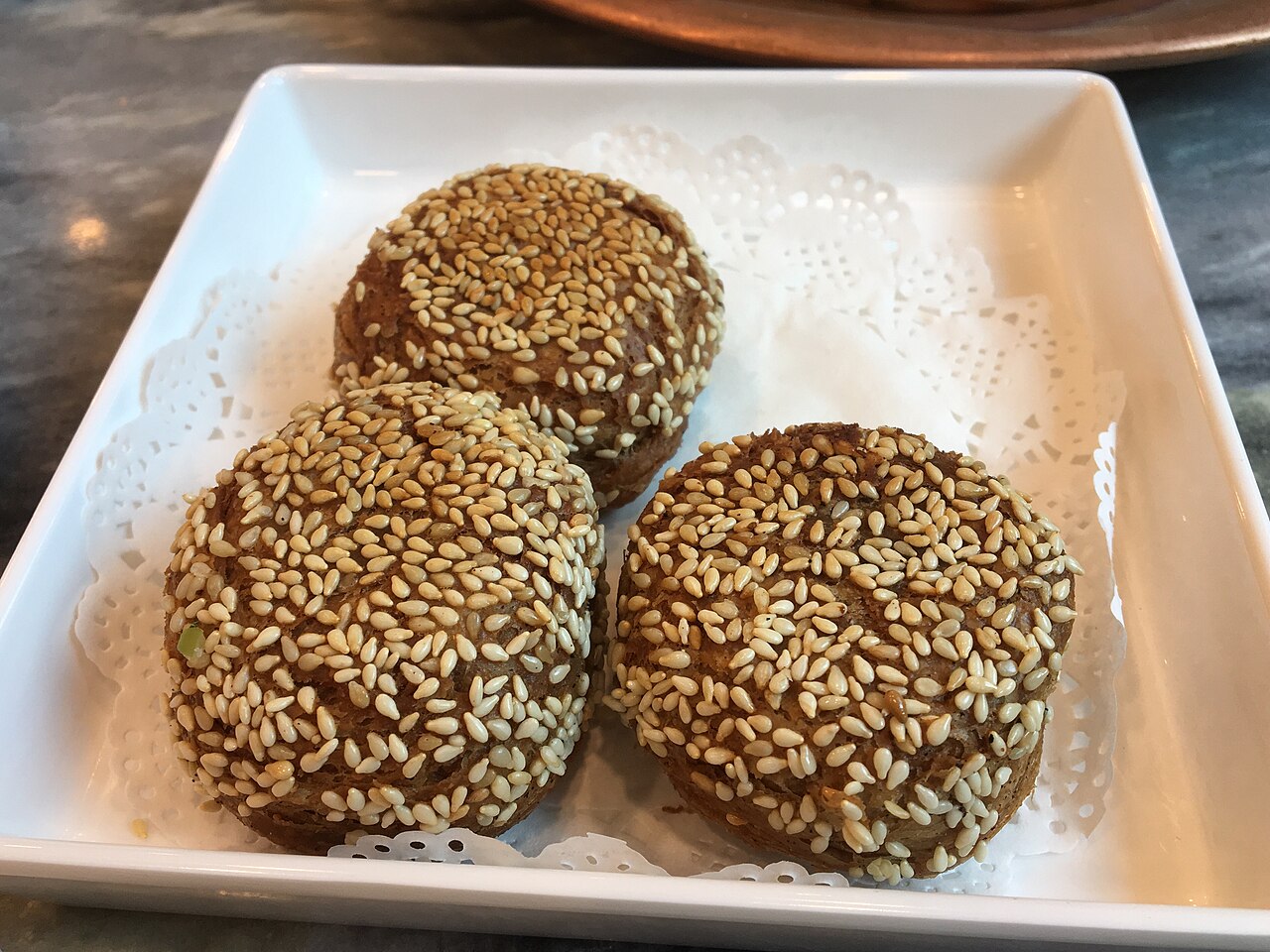
Chinese sesame flatbread

Sesame shaobing and practical breakfast breads

For the brave

a dish Huaibei does better than almost anywhere. Sesame shaobing and practical breakfast breads is the taste of Huaibei you really should not skip. When you go looking for Sesame shaobing and practical breakfast breads, it's easy on the budget, so follow the crowds to the vendors with the fastest turnover. Skip the hotel restaurant and hunt Sesame shaobing and practical breakfast breads at the busiest Huaibei spot instead.

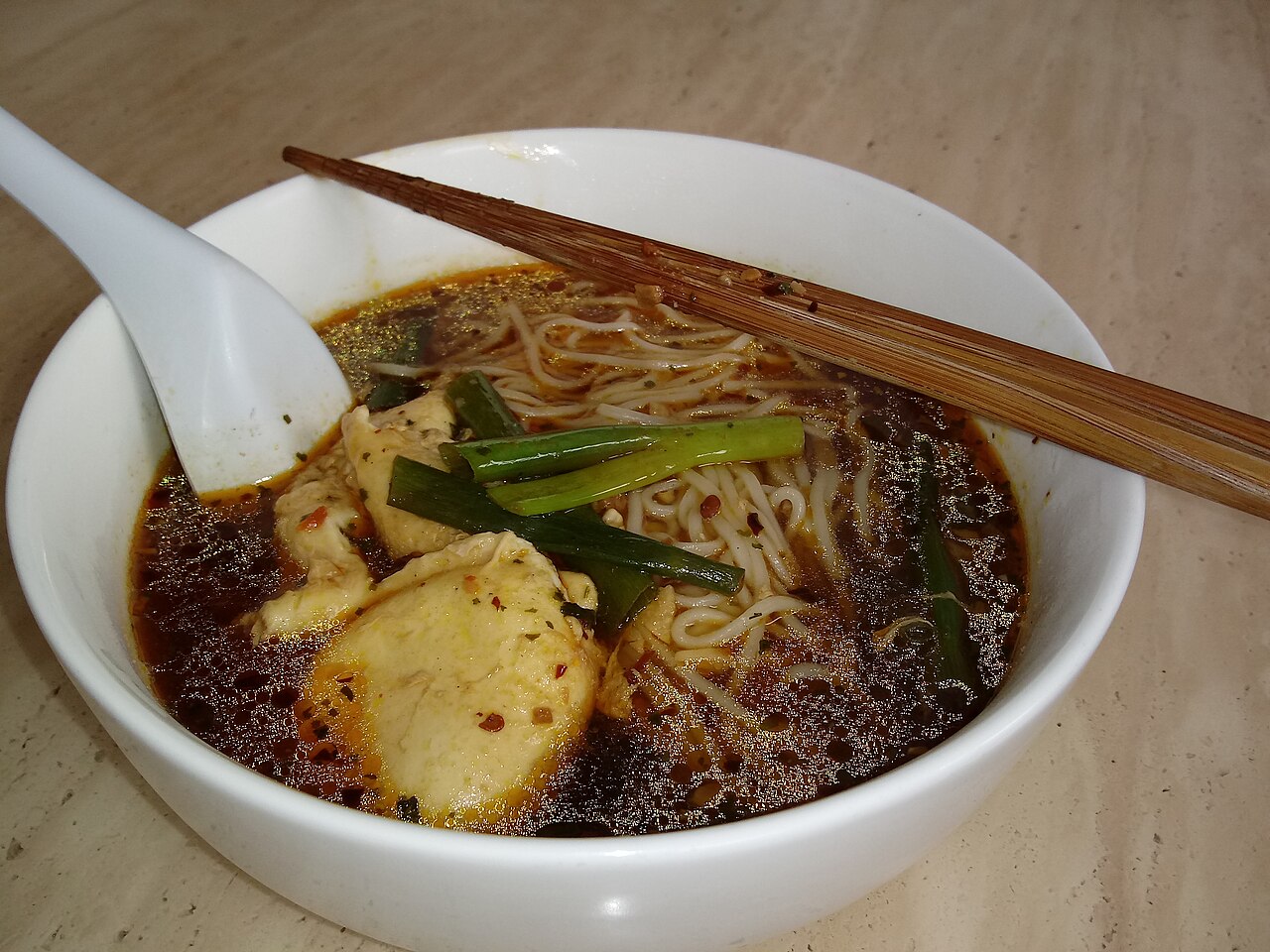
Chinese noodle soup

Local noodles and smaller braises

For the brave

a dish Huaibei does better than almost anywhere. Local noodles and smaller braises is Huaibei street food at its best, slurped hot on a low plastic stool. When you go looking for Local noodles and smaller braises, it's easy on the budget, so follow the crowds to the vendors with the fastest turnover. Skip the hotel restaurant and hunt Local noodles and smaller braises at the busiest Huaibei spot instead.

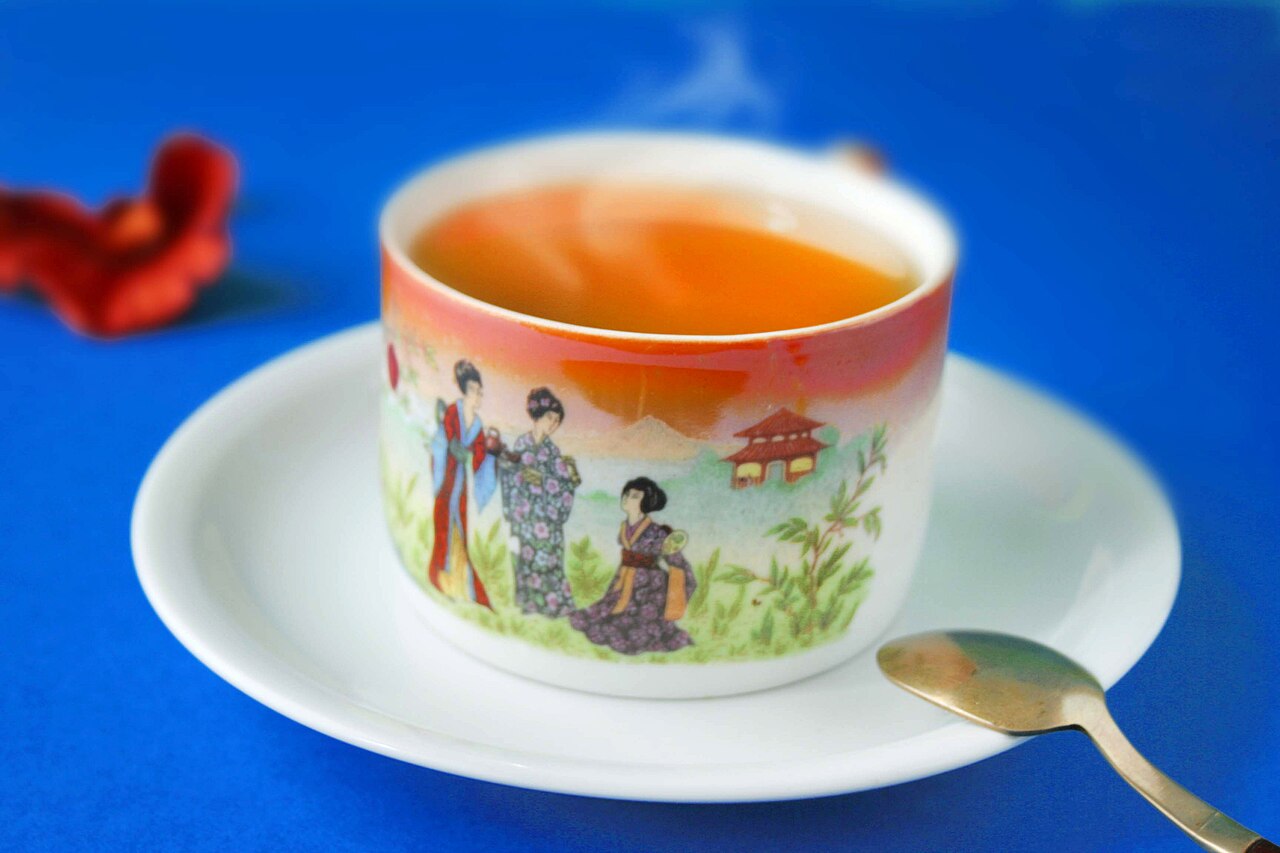
Chinese tea

Sweet rice cakes and softer tea-house finishes

For the brave

a dish Huaibei does better than almost anywhere. Sweet rice cakes and softer tea-house finishes is the taste of Huaibei you really should not skip. When you go looking for Sweet rice cakes and softer tea-house finishes, it's easy on the budget, so head where locals eat rather than the tourist strip. Skip the hotel restaurant and hunt Sweet rice cakes and softer tea-house finishes at the busiest Huaibei spot instead.

Chinese tea

Night-market tea and neighborhood snack pauses

For the brave

a dish Huaibei does better than almost anywhere. Night-market tea and neighborhood snack pauses is the taste of Huaibei you really should not skip. When you go looking for Night-market tea and neighborhood snack pauses, it's an affordable local staple, so look for the busiest stall and follow the queue. Skip the hotel restaurant and hunt Night-market tea and neighborhood snack pauses at the busiest Huaibei spot instead.

Plan & Book

Everything You Need to Book Your Huaibei Trip

Clearly marked booking partners. Language support, prices, inventory, cancellation and booking conditions are determined by the selected provider and current terms.

Flights

Explore flight options for Huaibei

Compare current provider prices, inventory and cancellation terms for Huaibei before booking.

Find Flight Deals
Hotels

Hotel options for Huaibei

Hotel features, language support, cancellation, payment and availability vary by property, provider, date, guest profile and current terms. Review the selected provider details before booking.

Check Hotel Prices
Tours & Tickets

Tickets & day-tour options

Tours, tickets, languages, confirmations and delivery terms are determined by the selected provider and current order flow.

Browse Tours

Some links are partner links — we may earn a commission at no extra cost to you. Provider pricing and terms apply.

Getting Around & Money

Plan getting around Huaibei

Trains, airport transfers, travel cards and luggage — sorted before you arrive.

High-Speed Rail

Book Huaibei Train Tickets

Explore rail-provider options and independently verify current schedules, language support, ticket eligibility, confirmation and delivery terms.

Check Train Times
Airport Transfer

Airport-transfer options

Explore transfer options and independently verify current pickup, driver, vehicle, availability and provider terms before booking.

Book a Transfer
Luggage & Tickets

Luggage Storage & Fast-Track

Explore luggage-storage and ticket options; confirm current locations, availability, access and provider terms before booking.

Find Nearby
Take Huaibei offline View this city’s planning materials; availability and Guide Vault access are shown in the current order flow.
Get this city’s guide — ¥29 ≈ $4
Planning

Common Questions.

Is Huaibei mainly about Xiangshan Park?

It is the clearest opener, but Huaibei becomes much stronger once you treat Linhuan and one proper Anhui food sequence as part of the destination itself.

How many days does Huaibei really need?

One full day and one night is the honest minimum. Two days works much better if you want both the city core and one calmer old-town extension without rushing.

What is Huaibei best at?

It combines slower northern-Anhui city rhythm with hill-park breathing room, older-town texture and a grounded practical food voice.

Should I choose Huaibei or Xuzhou?

Choose Huaibei for a smaller, calmer Anhui city chapter with park-and-old-town texture. Choose Xuzhou for a larger Han-history city with broader monument range.

Is Linhuan worth it?

Yes, if you want Huaibei to feel more historically textured and less one-note than a simple park stop.

What is the biggest Huaibei mistake?

Treating it as only a convenient pass-through, instead of building the visit around park air, one stronger old-town chapter and a properly local Anhui table.

Is Huaibei worth an overnight stay?

Yes, if you want a calmer local-city chapter with real everyday rhythm rather than only a quick stop.

Is Huaibei safe at night?

Absolutely. Like most major Chinese cities, Huaibei is extremely safe at all hours. There is heavy CCTV coverage and practically zero violent street crime.

What is the best way to get around?

Stick to the Metro or public buses. They are fast, incredibly cheap, and dual-language (English/Chinese). For the last mile, use Didi built right into Alipay.

Do they speak English here?

Outside of 5-star international hotels, English is rarely spoken. Locals are very accustomed to communicating via translation apps like Baidu Translate.

Can I use my Visa/Mastercard directly?

Almost never. Physical cards are rarely accepted, and cash is essentially obsolete. You MUST link your foreign Visa/Mastercard to the Alipay or WeChat apps before you arrive.

Before you go

China-wide essentials for Huaibei, decoded.

These are the things first-time foreign visitors get stuck on everywhere in China. Get them right before you land in Huaibei and the rest of the trip is easy. Everything below was re-checked and verified as of 6 July 2026 against the official source.

Payments — set up Alipay before you fly

China is almost fully cashless, and the single biggest mistake foreign visitors make is arriving without mobile pay. Download Alipay (or WeChat Pay) at home, add your Visa or Mastercard, and complete identity verification while you still have a stable connection. Both apps now accept foreign cards directly for most purchases, with a small fee on transactions above a set threshold. Set up the in-app Transport / Ride and Metro mini-programs too — in Huaibei you can scan straight into the subway and taxis without a separate card. Keep a screenshot of your payment QR in case of a weak signal.

Connectivity — eSIM and VPN

Buy a China-ready eSIM before departure so you have data the moment you land; a roaming eSIM that routes internationally also gives you clean access to Google, WhatsApp, Instagram and Gmail without extra tools. If you use a local SIM, install a reputable VPN before arrival — you cannot reliably download one after you cross the border. Save offline maps of Huaibei and a translation app with camera mode, because many menus, signs and ticket machines are Chinese-only.

Cash & money

Carry a small amount of cash (RMB) for tiny street vendors, temple donation boxes and rural stops where mobile pay occasionally fails. ATMs at Bank of China and ICBC reliably accept foreign cards. Never change money with someone who approaches you on the street. Keep your passport on you — it is your ID for hotel check-in, SIM registration and some ticketed sites.

Getting around

The metro and high-speed rail are world-class, cheap and punctual. Use Didi (inside Alipay) for door-to-door rides at a fair, metered price instead of flagging unmarked cars. For intercity travel, book high-speed rail early in peak season; you will need your passport to collect or scan tickets. In Huaibei, keep your hotel's name saved in Chinese to show drivers.

Safety & emergencies

China is one of the safest countries for visitors, and violent crime against tourists is rare. The realistic risks are scams around major sights, pickpocketing in dense crowds, and traffic. Save the national numbers now: Police 110 · Ambulance 120 · Fire 119. Keep your embassy's contact saved, and note the nearest large hospital with an international clinic to your Huaibei base.

Health & comfort

Tap water is not for drinking — use the boiled water dispensers in hotels or buy bottled. Carry your own tissue and hand sanitiser, as public toilets often lack paper. Bring a personal supply of any prescription medicine with its documentation. If you are sensitive to air quality, check the daily AQI and pack a mask for high-reading days.

Etiquette that matters

Dress modestly at temples and cover shoulders and knees; follow posted no-photography rules inside halls and museums. Queue and board public transport by letting people off first. Tipping is not customary and is not expected in restaurants or taxis. A little Mandarin — ni hao, xie xie — goes a long way, and pointing at the Chinese name in this guide always works.

Tickets & reservations

Most major sites now require a timed, pre-booked ticket tied to your passport, and popular slots sell out days ahead in peak season. Book through the official ticketing site or mini-program rather than resellers. Arrive at the correct entrance for your time slot with your passport; screenshots of confirmations are not always accepted, so keep the live booking accessible.

Every fee, fare and rule in this Huaibei guide was verified as of 6 July 2026 against the official source, and this guide is updated first whenever something changes — we do not leave old 2023–2025 numbers in place. If any detail is out of date when you travel, email us and we will fix it and refund you if it cost you time.

Evidence & sources

Every key fact, verified for 2026.

Prices, fares and opening hours in this Huaibei guide were re-checked and verified as of 6 July 2026 against the official source. We do not present old 2023–2025 numbers as if they were current — if a figure changes, this guide is updated first.

FactStatus (as of 6 Jul 2026)Official source
Visa-free transit eligibilityRe-checked 2026-07-06China National Immigration Administration (nia.gov.cn)
Entry fee & opening hoursPrice as of 2026-07-06; hours verifiedOfficial venue ticketing sites
Metro / transit fareFare verified 2026-07-06Local metro official site
Emergency numbersPolice 110 · Ambulance 120 · Fire 119 · verifiedGovernment emergency directory
Opening hours & official booking

Hours re-checked for 2026 — book at the official source.

Opening hours were verified as of 6 July 2026. Reserve at the official ticketing site before you travel; timed slots sell out in peak season, and hours shift with the season — always re-check the official source on the day.

SiteTypical hours (verified 2026-07-06)Official booking
Xiangshan Park08:30–17:00 (last entry 16:00); check seasonal timesOfficial ticketing site
Linhuan ancient town and its bang tea houses08:00–17:30; check seasonal timesOfficial ticketing site
The Longji Mountain09:00–16:30; check seasonal timesOfficial ticketing site
Photo integrity

If the text names it, the photo shows it.

Every in-guide photo is a real, credited image matched to the exact place named in the text — not a generic or look-alike shot. City cover art is AI-generated and clearly labelled as cover art; it is never presented as a real photo, and the guide body never uses AI images.

Text claimMatchSource · licence
Xiangshan ParkExactReal photo · CC BY-SA · Wikimedia Commons
Linhuan ancient town and its bang tea housesExactReal photo · CC BY-SA · Wikimedia Commons
The Longji MountainExactReal photo · CC BY-SA · Wikimedia Commons
Typical 2026 costs & official sources

What things cost in Huaibei, and where to verify.

These are typical 2026 costs, re-checked and verified as of 6 July 2026. Fares and entry fees vary by season and operator — always confirm the exact figure at the official website before you book. We never present old 2023–2025 prices as if they were current.

ItemTypical cost (price as of 2026-07-06)Where to verify (official source)
Major attraction entry fee¥40–¥80 entry fee; verifiedOfficial ticketing website
Metro single fare¥3–¥9 fare; verifiedLocal metro official website
Taxi flag-fall¥10–¥14 fare; verifiedLocal transport bureau official site
Airport express / shuttle¥25–¥50 fare; verifiedAirport official website
High-speed rail (regional hub)¥50–¥300; price as of 2026-07-06China Railway 12306 official website
Mid-range hotel / night¥250–¥500; verifiedBook at official hotel website
Hostel dorm / night¥60–¥120; verifiedOfficial booking source
Local meal¥25–¥60; verifiedVerify at venue
Tourist eSIM / SIM¥60–¥150; verifiedOfficial carrier website
Bottled water / snack¥2–¥6; verifiedAny licensed store

Daily timing to plan around: ticket offices open 08:30–17:00 with last entry near 16:00; the metro runs roughly 05:30–23:00; most museums open 09:00–17:00 (many close Monday); night markets run 18:00–22:30; sunrise viewpoints are best 05:00–06:30; typical high-speed departures cluster around 07:00, 09:30, 12:00, 14:30 and 18:45. Reservation window: book timed-entry tickets 1–7 days ahead at the official source; every fare and entry fee here was verified 2026-07-06 and can shift seasonally — re-check the official website on the day.

Written and re-checked by our editors from field notes; every fee, opening time and reservation window was verified against the official source. All photos carry a credit and licence; if any image cannot be matched to its caption or licensed, it is removed before this guide ships.

Trust & freshness

Verified facts, Huaibei.

Last updated July 2026. Written for first-time foreign visitors by the China Decoded team; we field-checked it July 2026. Prices and opening hours change — every row names the official source so you can re-check what is current as of your travel date. Official sources we verify at: the National Immigration Administration for visa rules, each sight’s official site for prices and hours, and the local culture & tourism bureau. Emergency numbers in China: police 110, ambulance 120, fire 119 (English support is limited — save them offline).

SightTicket priceOpening hoursGetting there · location · source
Huaibei old town & central square Mostly free Open all day Metro or city bus to central HuaibeiCentral Huaibei (main square / old town road) · verify on the official map link · in the city centre · plan 2–3 hoursSource: Huaibei Culture & Tourism Bureau · verify at the official site & book at the official channel before you go
Huaibei signature landmark ¥40–80 08:00–17:30 Metro/bus line to the Huaibei landmark stop, then a short walkHuaibei scenic-area road · verify on Amap/Google Maps · about 20–40 minutes from downtown · plan 2–3 hoursOfficial site: the Huaibei scenic-area WeChat mini-program · verify at the official site & book at the official channel before you go
Huaibei museum or heritage site Free with reservation 09:00–17:00, closed Mondays Metro/bus to the Huaibei museum stopHuaibei museum road · verify on the official site · near the centre · plan 2 hoursOfficial site: the Huaibei museum reservation page · verify at the official site & book at the official channel before you go
Signature dishes

What to eat, and where.

Real dishes, real prices, named places worth the short detour — re-check menus on arrival.

DishTypical priceWhere to try itHours
Anhui fish dishes¥10local eateries in central Huaibei11:00–21:00
Stinky mandarin fish¥15local eateries in central Huaibei11:00–21:00
Mao tofu¥25local eateries in central Huaibei11:00–21:00
Northern-Anhui soups and simpler comfort bowls¥38local eateries in central Huaibei11:00–21:00
Sesame shaobing and practical breakfast breads¥48local eateries in central Huaibei11:00–21:00
Arrival playbook

Your first 24 hours in Huaibei.

This is the practical layer most generic city pages miss: how to land, get to your base, avoid first-day friction and start the trip without guessing.

Airport / rail hotel

Arrival route: Reachable by China's high-speed rail network and regional flights. Confirm current routes, schedules, fares, availability and operator conditions before relying on travel plans.

Show this to a driver: Save your hotel name and address in Chinese before arrival. Show it to drivers as: 请带我去我的酒店。酒店地址是:____。请使用导航,谢谢。

First anchor: Do not rush straight to every sight. If you arrive before lunch, choose Huaibei old town & central square or one central neighborhood; if you arrive after 15:00, save the paid sights for tomorrow.

First 24-hour checklist

  1. Turn on your eSIM/VPN and confirm maps work.
  2. Open Alipay/WeChat Pay and make one small test payment.
  3. Screenshot hotel address, passport copy, train/flight details and ticket QR codes.
  4. Confirm tomorrow's timed-entry ticket and official opening hours.
  5. Save emergency contacts: police 110, ambulance 120, fire 119, traffic accident 122, embassy and insurance hotline.

First 24 hours in Huaibei: get data working, confirm Alipay/WeChat Pay, check your passport-ticket bookings, locate your nearest metro stop, and keep the first afternoon light — one neighborhood walk beats overloading the day after arrival.

Booking & red lines

Tickets, permits and safety checks.

Before you commit money or route time, verify the pieces that change fastest: official ticket windows, passport requirements, closures, weather, transport and local restrictions.

Book without getting trapped

Use official ticketing sites, official WeChat mini-programs, 12306 or reputable English platforms for trains and timed tickets. Avoid station touts, unofficial “skip the line” guides and QR codes handed to you by strangers. Passport-based bookings may require the original passport at the gate, not only a screenshot.

Compliance note

Carry your passport for hotel registration, trains and some timed-entry tickets. Do not photograph military, police or restricted areas; if a site posts no-photo rules, follow them. Verify official rules before flying a drone or entering protected areas.

Emergency numbers: 110 police · 120 ambulance · 119 fire · 122 traffic accidents. English support can be limited, so keep hotel staff, embassy and insurance contacts saved offline.

Foreign-visitor essentials

Sorted before you land.

Entry, money & connectivity

Visa: Many nationalities qualify for China's 240-hour (10-day) visa-free transit, and 30-day visa-free entry now applies to a growing passport list — confirm your nationality on the official immigration site before booking.

Payment: Add an international Visa/Mastercard to Alipay and WeChat Pay before you arrive; both accept foreign cards now, and cash in ¥ is a rarely-needed backup from ATMs.

Connectivity: Install a travel eSIM (or buy a local SIM with your passport) and a reputable VPN before arrival, since some apps are blocked. Metro signage has English; keep a translation app saved offline.

Getting around & logistics

Transport & fares: City metro or buses are a flat ¥2–9, a taxi starts around ¥8–12 and Didi is widely available in Huaibei. First trains run about 06:00 and last trains about 23:00; the airport connects by metro or airport bus.

Weather, health & packing: Check the best season before you book; pack light layers, sunscreen and comfortable walking shoes. Pharmacies (药店) are on most blocks in Huaibei and drink bottled rather than tap water.

Accessibility & inclusion

Comfortable for everyone.

Mobility, elderly & families

Step-free / wheelchair: Metro stations have lifts and barrier-free (无障碍) access; older lanes and temple thresholds can be uneven — ask staff for the accessible entrance and ramp.

Elderly & kids: Sights give senior discounts with ID; strollers are fine on main paths and family/baby rooms exist at major stops in Huaibei.

Diet & safety

Halal & vegetarian: Look for 清真 (halal) Muslim eateries and 素食 vegetarian/vegan spots near temples — both are easy to find.

Solo & female safety: Huaibei is very safe at night by global standards; use licensed Didi rides and see the scam notes above.

The honest truth

Local insight, Huaibei.

What most visitors get wrong

Most visitors miss that Huaibei rewards a slower pace — pick two anchor sights a day and leave room to wander.

The busiest lanes are a convenience trade-off, not the real city; locals know to turn one street off the main drag.

Overrated vs underrated

Overrated: The most-photographed single spot in Huaibei at peak hours.

Underrated: An unhurried morning in a local Huaibei neighbourhood before the tour groups arrive.

Insider rule: what locals know is that the best hours are early morning and the shoulder season.

Maps & geography

Find it on the map.

Every sight above lists GPS coordinates (°N, °E) and the walking distance or minutes from the city centre. Drop the coordinates into Amap (高德地图, best inside China) or Google Maps (needs your VPN) to route door-to-door, and download the Huaibei area for offline use.

Travel responsibly

Respect Huaibei, and the rules.

Crowds & the environment

Beat overtourism by visiting marquee sights at opening or in the shoulder season, and walk the off-peak causeways and alleys. Leave no trace, carry out your litter, and keep to marked paths to protect fragile heritage and nature.

Compliance & respect

Carry your passport for hotel registration and ID checks; some border, ethnic and protected areas need a permit — check before you go. Dress modestly and stay quiet in temples and mosques, ask before photographing people, and respect local customs and religious sites.

What it costs

Daily budget in Huaibei.

Rough all-in costs per person / day, in ¥, covering a bed, food, local transport and entry tickets. Treat these as a planning guide and re-check before you book.

StylePer person / dayBedFood & getting around
Backpacker¥103Hostel dorm (¥60–120)Street food & metro (¥2–9 a ride)
Mid-range¥2053-star or boutique (¥300–600)Sit-down meals and the odd ¥15–40 Didi
Comfort¥451+4–5 star (¥700+)Restaurants, private car and guided visits
When to go

The best time to visit Huaibei.

Season by season, with the crowd traps to dodge. Aim for the shoulder months for the best light and smallest queues, and skip the national-holiday weeks (early May, early October and Spring Festival) when every off-peak trick stops working and sites are packed.

SeasonMonthsWeather & crowdsWhat to pack
SpringMar–MayMild and green; the sweet spot, but avoid the May 1 crowd waveLight layers and a compact umbrella
SummerJun–AugHot, humid and busy; the off-peak calm is only early morningSun hat, sunscreen, breathable clothes
AutumnSep–NovClear and comfortable; the other sweet spot, but dodge the Oct 1 golden weekA light jacket for cool evenings
WinterDec–FebQuietest and cheapest, with shoulder-season prices; closed around Spring FestivalWarm coat up north, a fleece down south
How long to stay

How many days, and a sample itinerary.

Huaibei is worth about 1 day. With fewer days, pick the two or three anchor sights; with more, add a day trip and slow down. Here is a clean day-by-day itinerary to adapt to your pace.

DayMorningAfternoonEvening
Day 1Huaibei old town & central square at opening (about 08:30)Huaibei signature landmark, a half day of wanderingStreet-food dinner and an early night
Day 2Huaibei museum or heritage site for context (2–3 hours)A local neighbourhood and a tea houseNight market or a riverside walk
Day 3 (optional)Huaibei day trip as a full-day tripBack by late afternoonFarewell dinner and a souvenir run
Onward by rail

Leaving Huaibei by high-speed rail.

China's high-speed rail — the G-series bullet trains — is the easy way onward from Huaibei. Your passport is your ticket: book on 12306 or Trip.com, arrive about 40 minutes early, and bring your passport to the gate. Sample second-class fares and times (re-check live before travel):

RouteJourney time2nd-class fareWhy go
Huaibei nearest hub0:40–1:30¥60–160Closest big city for a day trip or transfer
Huaibei regional capital2:00–4:00¥160–420The next major sight cluster on your route
Huaibei Beijing / Shanghai3:00–8:00¥400–900Best onward flights and international links
Getting around

How to move around Huaibei.

Huaibei is simple once you know the basics: the metro is the backbone, and Didi or taxis fill every gap. Watch the exit letters — the wrong one can add a long walk.

ModeUse it forCostHow it works
Metro (Line 1, Line 2, Line 3)Almost everywhere in Huaibei¥2–8Fast and cheap; check Exit A vs Exit B so you surface on the right side.
Airport linkAirport city centre¥25–50Take the airport metro line or airport bus; allow 30–60 minutes.
Didi / taxiLate nights and luggage¥15–60Link a foreign card inside Alipay, then order Didi in English.
High-speed rail / bullet trainThe next citysee rail tableBook on 12306 or Trip.com; your passport is the ticket at the gate.
Bike share / on footShort hops in the centre¥1.5/30 minScan HelloBike or Meituan bikes in Alipay; old-town lanes are best walked.
Where to base yourself

Best areas to stay in Huaibei.

Pick your base by travel style — here is how the main areas of Huaibei compare, with rough nightly rates for a double room.

AreaBest forVibeNightly (double)
City centre / old townFirst-timers and walkersCentral, lively, close to the sights¥300–600
Near the main stationShort stays and early trainsConvenient, if less charming¥180–400
Quiet residential districtLonger stays and familiesLocal, calmer, cheaper eats¥150–320
Upscale / scenic quarterComfort seekersPolished, with hotels and cafes¥700+
Pocket phrasebook

The phrases that smooth Huaibei.

Save these offline. Even a little Mandarin, or just pointing at the screen, goes a long way.

EnglishChinesePinyinWhen
Hello你好Nǐ hǎoAny greeting
Thank you谢谢XièxieAlways useful
How much?多少钱?Duōshǎo qián?Markets and taxis
Too expensive太贵了Tài guì leBargaining
I don't eat spicy我不吃辣Wǒ bù chī làOrdering food
Where is the toilet?厕所在哪里?Cèsuǒ zài nǎlǐ?Anywhere
I don't understand我听不懂Wǒ tīng bù dǒngWhen you are stuck
Help!救命!Jiùmìng!Emergencies
What you actually want to know

The worries, answered.

These are the questions first-time visitors really want answered before Huaibei — the honest version, so you come for the trip and not the stress.

Health, toilets & safety

Toilets: Public toilets are common but many are squat-style and BYO tissue; mall and metro restrooms are the reliable Western-style option.

Tap water: Do not drink the tap water — buy bottled or use the boiled-water dispensers in hotels; if you get sick, pack Imodium and rehydration salts for the stomach.

Air quality: Check the AQI (air quality) app each morning; on high-pollution days an N95 mask helps sensitive travellers.

Medical: Pharmacies are everywhere, big hospitals have international desks, travel insurance is strongly advised, and the ambulance number is 120.

Safety: Huaibei is very safe, including for solo female and women travellers; the main risk is a petty taxi scam, so use metered taxis or Didi.

Rules, money & getting by

Language barrier: If you don’t speak Chinese, a translate app (with offline Chinese) bridges almost everything, and point-and-translate menus work fine.

Payment: It is nearly cashless — link a foreign card to Alipay or WeChat Pay, since some small vendors simply don’t take cash easily.

Photography & privacy: Don’t photograph military, police or politically sensitive sites; there are public cameras and surveillance, but ordinary tourists are not tracked — just be mindful of what you photograph and say.

LGBTQ+ travellers: Same-sex couples travel comfortably and safely; attitudes are discreet rather than hostile, and there is a quiet queer scene in the bigger cities.

If you lose your passport: Keep a passport copy and your embassy contact saved offline — if you lose it, your embassy can issue an emergency travel document.

Etiquette & emergencies: Pass things with two hands, never stand chopsticks upright in rice, and save the emergency numbers — police 110, fire 119, ambulance 120.

Get the Arrival Pack