A foreigner-first field guide to China's imperial capital — built for the things that actually decide whether your trip works: phones, payments, passports, tickets, transport, food and where to stay.
Most Beijing pages inspire you. Fewer tell you how to make China actually work as a foreign visitor. This guide treats Beijing like a beautiful city with a complex operating system — and shows you the controls before you land.
Phone-first China
Alipay, transport QR, maps, eSIM/VPN, DiDi and screenshots are handled before sightseeing.
Passport-first booking
Forbidden City, Tiananmen, museums and hotels are explained through the reality of foreign-passport travel.
Local rhythm
Imperial sights are balanced with hutongs, breakfast, food zones, parks, galleries and honest skip advice.
Before you book
Entry, tickets and setup.
This is the part competitors often bury. For China, the pre-trip setup is not optional admin — it is the difference between a smooth arrival and a day of confusion.
Can you enter China visa-free?
Entry rules
Confirm your eligibility
Visa-free rules, permitted purposes and stay limits can change and may not apply to your nationality or circumstances. Confirm with the relevant official immigration or consular source and carrier before booking.
Transit rules
Check your exact itinerary
Transit-without-visa eligibility depends on nationality, ports, onward ticket, routing and current conditions. Verify every requirement directly with official sources and the carrier before travel.
Other entry cases
Use official guidance
If visa-free or transit rules do not clearly cover you, obtain guidance from the relevant official consular source before travel. Do not infer eligibility from this page.
30-minute setup checklist
01Review current payment-app, card-issuer and identity-verification requirements; only complete steps you can independently confirm.
02Confirm the current transport-payment method with the operator and app, and test it only where permitted before relying on it.
03Choose communication tools appropriate to your device and contacts; availability and language support should be verified by you and the relevant service.
04Review connectivity options with the provider and applicable rules; coverage, access and compatibility are not assured by this guide.
05Save your hotel name and address in Chinese characters; screenshot it for drivers and check-in desks.
06Test your chosen navigation and saved-address setup on your own device; mapping and routing availability can change.
07Screenshot passport pages, flight details, hotel booking, and any attraction reservations in an offline folder.
08Save emergency, consular, insurer and accommodation contacts only after verifying them through current official, provider or accommodation sources.
09Choose backup payment and document arrangements based on current issuer, venue, carrier and official requirements.
10Use current venue and official sources to check reservation, identity, security, availability, pricing and cancellation rules before you plan or pay.
Tickets & reservations
1
Use the passport name
Enter your name exactly as printed in your passport. Your passport number is the ID you will use for booking and entry.
2
Watch the 7-day window
Forbidden City tickets are released on a short advance window, commonly 7 days ahead. Popular dates sell out quickly; check the Palace Museum booking calendar and reserve early, especially Apr–May, summer holidays and Sep–Oct.
3
Pair Tiananmen + Palace
Tiananmen Square usually requires real-name reservation and passport consistency. If your route crosses the square, reserve at least one day ahead, clear security first, then enter the Forbidden City from the south Meridian Gate.
4
Exit north to Jingshan
After the palace, leave by the north gate and walk straight to Jingshan. If tickets sell out, swap in Temple of Heaven, Beihai or a licensed guided ticket.
If tickets sell out
Refresh smartly
Check cancellations
Official tickets can reappear. Re-check early morning and late evening, but do not plan your entire day around luck.
Use a licensed option
Guided ticket backup
If you truly must visit, use a reputable licensed tour or ticketed guide. Avoid street touts and impossible “guaranteed entry” offers.
Keep the geography
Swap, don't cross town
Replace with Jingshan, Beihai, Temple of Heaven, Qianmen or a hutong walk so the day still feels coherent.
Source checks
Use these planning prompts to locate current official or operator information. Verify channels, rules and availability before acting.
Most Beijing guides just list temples. This one is built around the three questions every foreign traveller actually asks before China: What do I really want out of this?What am I quietly afraid of?What do I need to make it work? Every answer below is specific, honest and ready to act on.
30 daysVisa-free for ~50 countries (as of 1 Jul 2026), plus 240-hour transit.
1 QR codeForeign Visa/Mastercard now links to Alipay & WeChat Pay for almost everything.
¥3–9A metro ride across one of the world’s big cities with consistently low reported rates of violent street crime.
DawnThe single best decision you’ll make — real Beijing happens before 9am.
What you actually want
The experiences worth flying 10,000 km for
Not a checklist of monuments — the deeper things travellers come to China hoping to feel. Here’s exactly how to get each one.
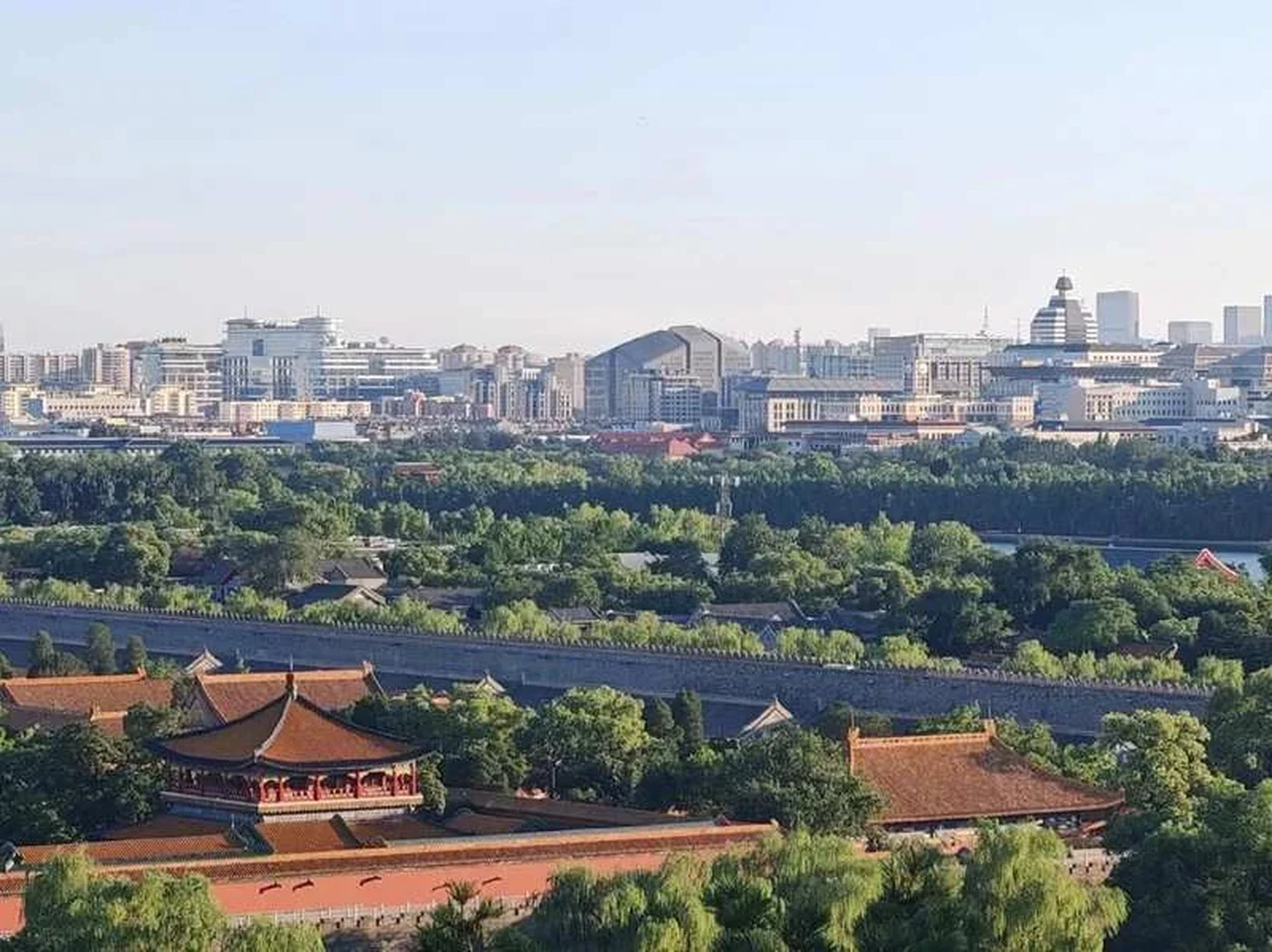
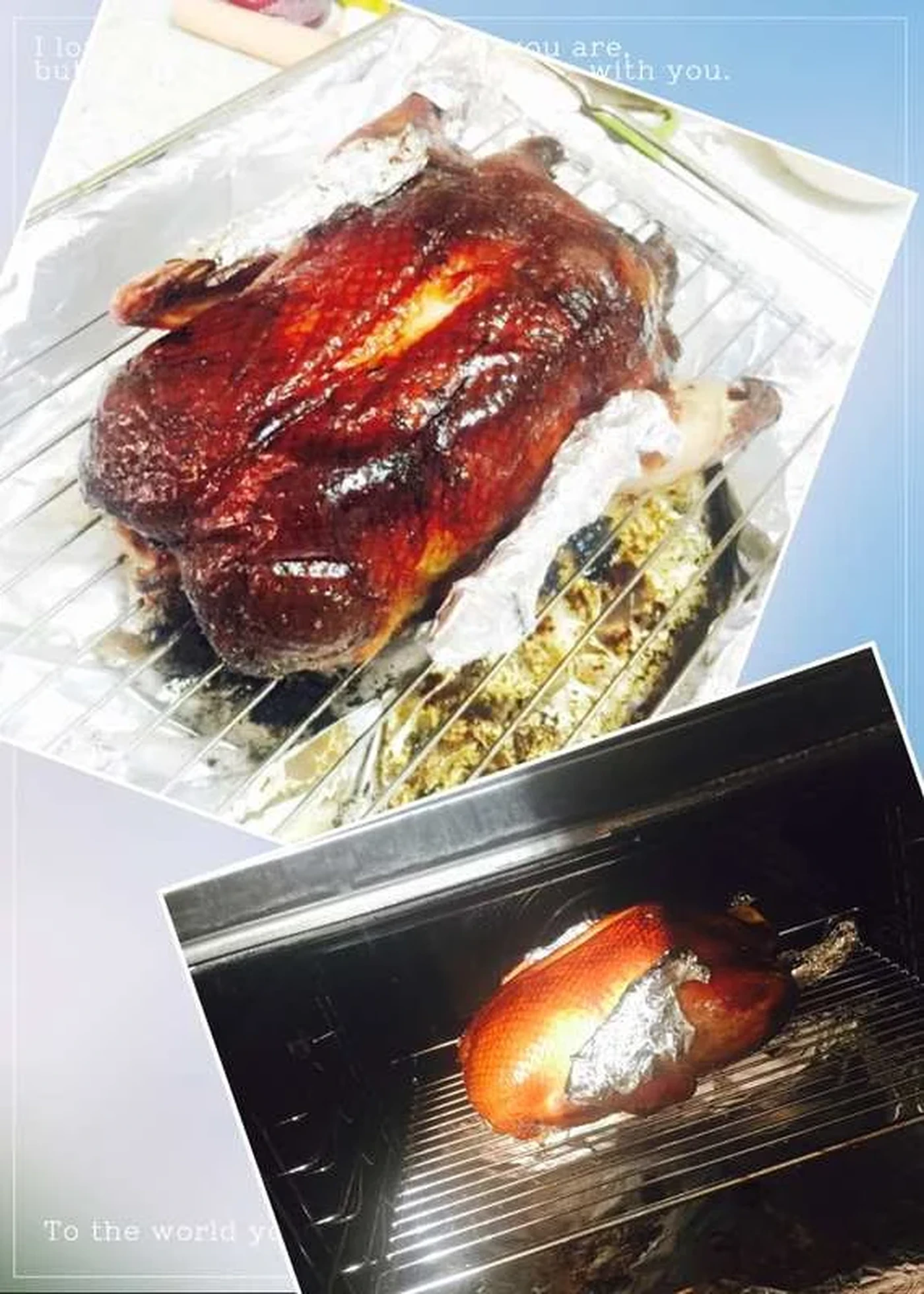
Dawn from Jingshan over the Forbidden City rooftopsPeking duck — the one splurge worth bookingImperial red and gold — the colours of the capital
WANT / 01
It to feel real — not a stage set
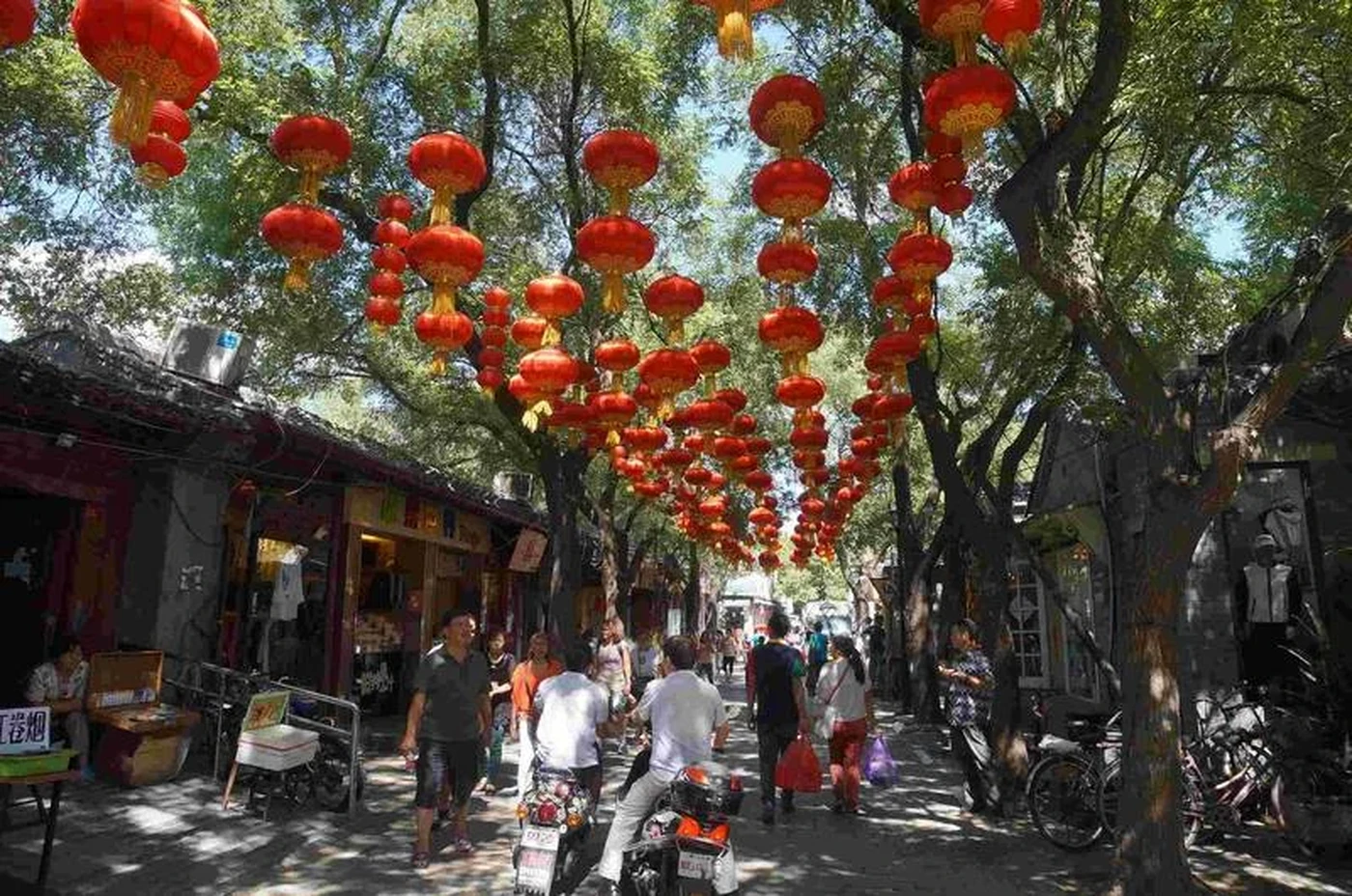
You did not fly across the world for a roped-off theme park. You want the living city: old men airing songbirds, steam rising off a breakfast cart, a temple that still smells of incense.
How to actually get it: Go at dawn. Be at the Temple of Heaven park by 7am for tai chi, sword dance and impromptu opera under the cypresses (park ticket ~¥15). Walk a hutong before 9am while it is still residential, not retail. Climb Jingshan at opening for the city waking up below.WANT / 02
The photograph everyone recognises
The shot that says, unmistakably, China. Golden roofs to the horizon, a wild watchtower on a ridge, a red lantern-lit lane.
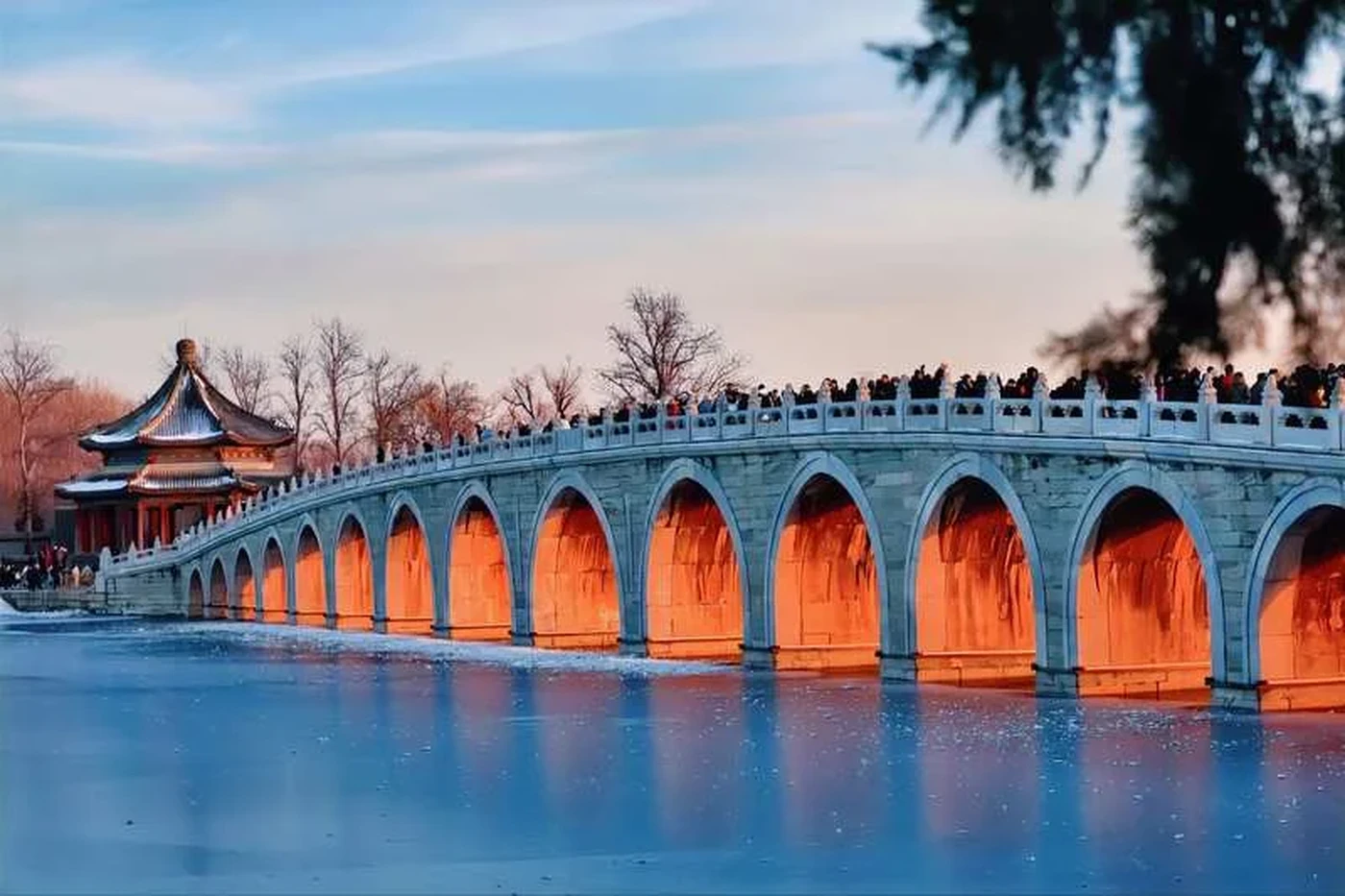
How to actually get it:Jingshan’s Wanchun Pavilion at golden hour for the Forbidden City rooftops down the Central Axis. Jinshanling Great Wall at sunrise for the half-wild ridge. The Seventeen-Arch Bridge (Summer Palace) at sunset. Arrive 30–45 min before, not after, the light.WANT / 03
To understand what I’m seeing
Beauty is not enough — you want the story. Why the palace faces south, why the axis matters, what the colours mean.
How to actually get it: Beijing’s 8km Central Axis became a UNESCO site in 2024. Read it north-to-south as one line: Bell & Drum Towers Jingshan Forbidden City Tiananmen Qianmen Temple of Heaven. Rent the official Palace Museum audio guide (multi-language) or download one before you lose signal.WANT / 04
To eat like a local, not a tourist
Not the sad hotel buffet or the photo-menu trap next to the sight — the bowl the taxi driver would actually queue for.
How to actually get it: Eat where the axis isn’t. Ghost Street (Gui Jie) for late-night crayfish and skewers; Niujie for halal beef noodles and lamb pies; a copper-pot mutton hall in winter. Use Dianping (China’s Yelp) and sort by rating, not by distance to the monument.WANT / 05
One hands-on cultural moment
Something you did, not just saw — a memory with your own hands in it.
How to actually get it: Book a legit Peking-opera night at Liyuan or Zhengyici Theatre, a hutong calligraphy or dumpling class, or a tea tasting at a real tea market (Maliandao) — never a ‘tea ceremony’ a stranger walks you to. Half-day cooking classes run ~¥300–500 and include a market walk.WANT / 06
To feel it was worth the money
You are paying for flights, hotels and time. You want to feel rich in experience, not fleeced.
How to actually get it: Beijing’s best is astonishingly cheap: Jingshan ¥2, Temple of Heaven park ¥15, hutongs free, National Museum free (reserve), metro ¥3–9, a ¥8 jianbing breakfast better than any hotel. Spend on one great roast duck and a Mutianyu wall day — skip the overpriced in-sight cafes.
What quietly worries you
Every fear, answered honestly
No sugar-coating and no scaremongering — the real risk, then the fix. These are the twelve things foreigners actually Google before flying to China.
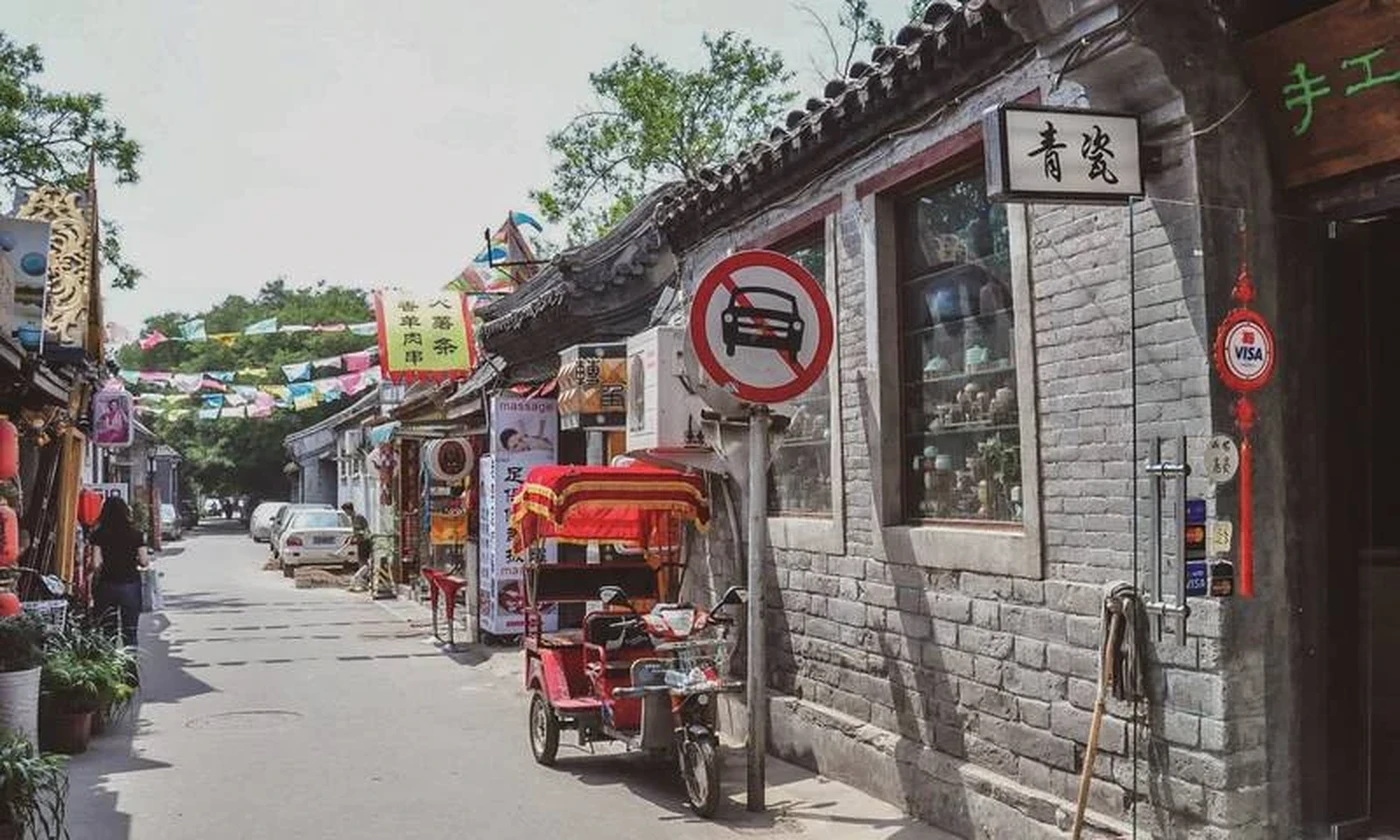
A hutong lane after dark — Beijing is among the big cities with consistently low reported rates of violent street crime to walk at night
“I don’t speak a word of Chinese.”
“I’ll be stranded, unable to order food, read a sign or ask for help.”
The reality
Metro signs, station announcements and major maps are bilingual. Most restaurants have picture menus. Young staff often read some English even if they won’t speak it.
Do this
Install Google Translate + Baidu Translate and pre-download the Chinese pack for offline camera translation of menus and signs. Save your hotel name in Chinese as a screenshot. Learn just: 你好 (hello), 谢谢 (thanks), 这个 (this one).
“No one takes my card or cash.”
“China is cashless and I can’t pay for anything with a foreign card.”
The reality
Payment-app and foreign-card eligibility, verification and merchant acceptance vary by app, issuer, transaction and location. Check current requirements before relying on a payment method.
Do this
Set both up before you fly and finish passport verification at home. Keep ¥300–500 cash for the rare stall. Withdraw from Bank of China / ICBC ATMs, not airport counters. Big payments may trigger a small card-service fee.
“Google, WhatsApp and Maps won’t work.”
“I’ll lose contact with home and won’t be able to navigate.”
The reality
App access, routing, legality and performance vary by provider, device, network, location and current local rules. This guide does not confirm availability or an outcome.
Do this
Buy an international roaming eSIM before you land — many route around the block and keep Google/WhatsApp alive. Install a reputable VPN at home as backup (don’t wait). Use Amap or Apple Maps to navigate; both work perfectly inside China.
“I’ll get scammed or overcharged.”
“As an obvious foreigner I’m a target for rip-offs.”
The reality
Personal-safety conditions vary by place, time and individual circumstances. Use current official advice, situational awareness and your own judgement; this guide does not provide a safety assurance.
Do this
Three rules remove most of it in our testing: never follow a friendly stranger to tea, a gallery or a bar; only take taxis via DiDi (in Alipay, fare pre-set); go cashless so no one can swap notes. Ignore anyone who approaches you at Tiananmen or Wangfujing.
“Will I even be let in?”
“The visa process sounds complicated and I might be turned away.”
The reality
Entry eligibility, periods, ports, route conditions and required documents can change. Confirm current official requirements for your passport and itinerary before booking.
Do this
Check the current official list for your passport before booking flights. Carry your passport at all times — it’s needed for hotels, SIMs and many ticketed sights. Transit-visa-free needs a confirmed onward ticket to a different country/region.
“The toilets terrify me.”
“Squat toilets, no paper, no soap — and I won’t cope.”
The reality
Facilities, access, cleanliness and supplies vary by venue and time. Check locally and carry any personal items you need.
Do this
Carry tissues + hand sanitiser always. Use toilets in Starbucks/Luckin, malls and your hotel when you can. In apps, search 厕所 (toilet). Squat cubicles are actually more hygienic — nothing to touch.
“Will I get sick from the food or water?”
“Travellers’ diarrhoea, dirty ice, unsafe street food.”
The reality
Water and food conditions vary by venue, location and personal health needs. Check current local, accommodation and medical guidance appropriate to you; this guide does not provide medical advice.
Do this
Drink bottled or boiled water; it’s fine for brushing teeth. Eat where there’s a queue and high turnover. Pack Imodium, rehydration salts and any personal meds. Ease into very spicy or very unfamiliar dishes on day one.
“Isn’t the air dangerous?”
“I picture permanent grey smog and health warnings.”
The reality
Beijing’s air is far better than its old reputation — many crisp blue-sky days, especially autumn. But winter and spring can still bring high-AQI or dust days.
Do this
Check AQI in Amap each morning. On a bad day, pack a few KN95/N95 masks and switch to indoor plans — museums, temples, teahouses, malls. Those with asthma should bring their inhaler.
“What can I photograph or say?”
“I’ll accidentally break a rule about photos or sensitive topics.”
The reality
Tourists photograph freely at sights, food, streets, the Wall and hutongs. The only real limits are military sites, some government buildings and airport security areas.
Do this
Don’t photograph soldiers, checkpoints or security screening. Around Tiananmen expect bag checks — that’s normal. Be respectful, avoid pushing political debates with strangers, and you’ll have zero problems. Locals are warm and curious.
“Is it safe for a solo woman?”
“Travelling alone as a woman feels risky.”
The reality
Beijing is widely rated very safe for solo female travellers, including at night on the metro and busy streets — well-lit, heavily policed, low street-harassment.
Do this
Use normal city sense: DiDi after dark (route tracked in-app), share your live location with someone at home, choose a central hostel/hotel with reviews from foreigners. Staring is curiosity, not threat.
“Is it OK to travel as an LGBTQ+ visitor?”
“I don’t know if I’ll be safe or accepted.”
The reality
Homosexuality is legal and Beijing is generally safe and unbothered by tourists. It is socially discreet rather than openly celebrated, and there is no same-sex marriage.
Do this
Same personal-safety rules as anyone. There’s a quiet bar/club scene (e.g. around Sanlitun). Public displays of affection are low-key for everyone, gay or straight, so you won’t stand out.
“What if there’s a medical emergency?”
“I’ll be sick or hurt, with no English and no idea where to go.”
The reality
Medical facilities, language support, payment arrangements and insurance acceptance vary. For urgent needs use current official emergency guidance and confirm provider or insurer details directly; this guide does not provide medical advice.
Do this
Buy travel insurance before you fly. For English care go to Beijing United Family, OASIS International or the international wing of Peking Union (PUMCH). Carry meds in original packaging + prescription. Emergency ambulance: 120.
What you need to make it work
The operating manual
The practical toolkit — money, connectivity, food, etiquette, access and emergencies — laid out so nothing catches you off guard.
Money, set up in four steps
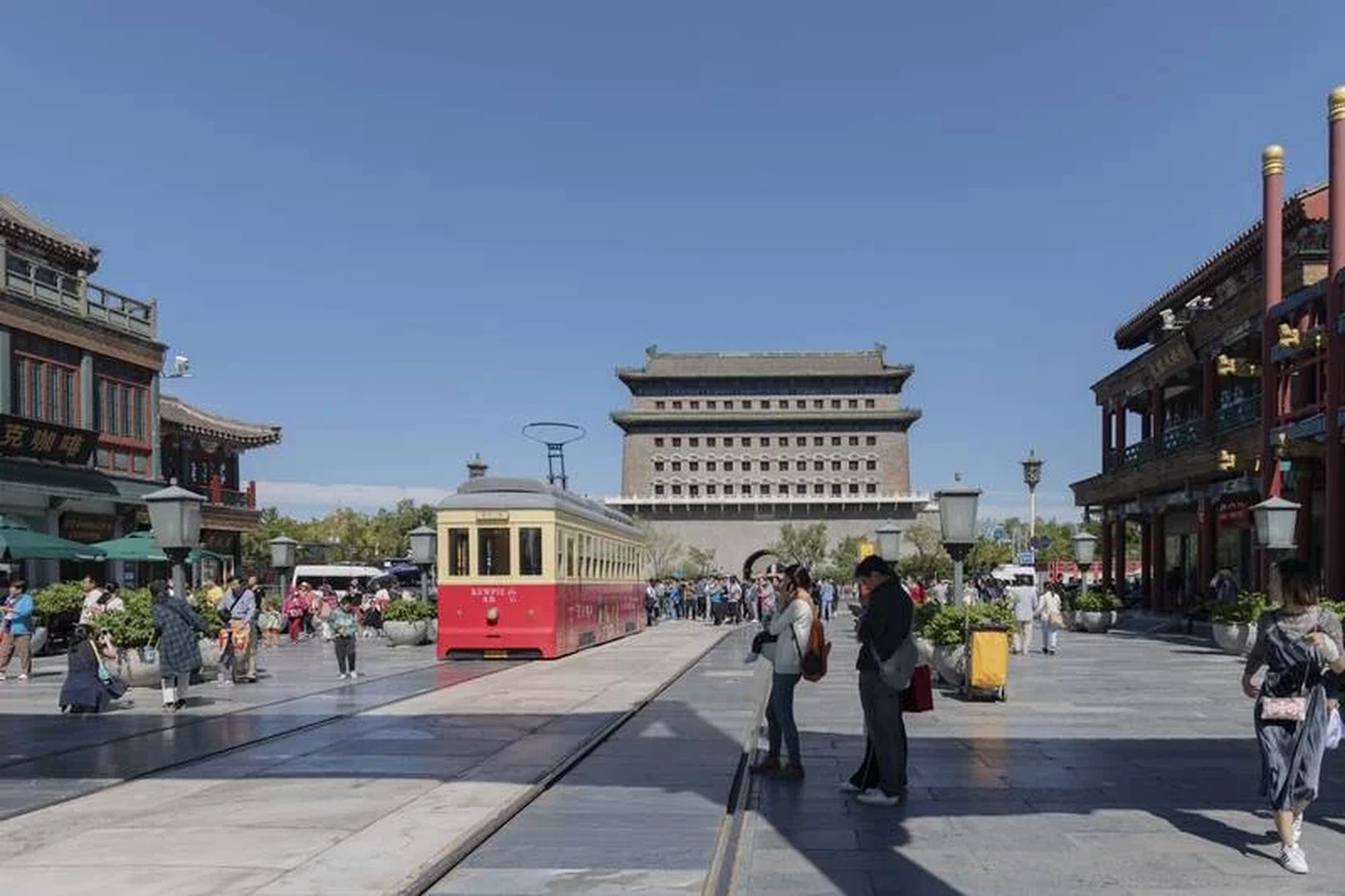
Qianmen Street — where phones, QR codes and payments run daily life
1
Install before you fly
Download Alipay and WeChat at home over your normal app store. Doing it inside China is far harder.
2
Add your card
In Alipay open Me Bank Cards and add a Visa/Mastercard. WeChat: Me Services Wallet. Enter your card exactly as printed.
3
Verify your passport
Complete real-name / passport verification once. Under ¥200 payments usually skip extra steps; larger ones may add a small fee.
4
Scan to pay
At any till, open Pay / Scan, show your QR or scan theirs. Also set up the Transport code for the metro — tap in, tap out.
Staying connected: pick your setup
Option
Google/WhatsApp?
Setup
Rough cost
Best for
Roaming eSIM
Yes (most plans)
Easy — install before you land
¥70–250 / trip
Best all-rounder: keeps Google/WhatsApp working, no VPN needed. Confirm the plan routes outside mainland.
VPN on your home SIM
Depends
Install & test at home first
¥20–80 / mo
Reliable backup for Google/WhatsApp. Must be set up before arrival — VPN sites are blocked once you’re in China.
Local China SIM
No (blocked)
Buy with passport at airport
¥100–200
Cheap data and a local number for apps, but Google/WhatsApp stay blocked unless paired with a VPN.
Hotel / cafe Wi-Fi
No (blocked)
Free
Free
Fine for Chinese apps and browsing; you still need eSIM or VPN for Google, Gmail, WhatsApp, Instagram.
The six apps to install before you fly
Amap (高德)
The navigation app that actually works in China. Has an English mode; covers metro, walking, driving and live bus/train times.
DiDi
China’s Uber — built into Alipay/WeChat, fares fixed, no haggling, no phone calls. English interface available.
Dianping / Meituan
Find and rank restaurants (China’s Yelp), order food, buy attraction tickets. Photo menus help non-readers.
WeChat
Messaging + payments + mini-programs. Hotels, guides and tour operators expect to reach you here.
Google + Baidu Translate
Camera mode reads menus and signs offline. Download the Chinese language pack before you travel.
Book high-speed trains, flights and foreigner-friendly hotels in English, with passport details supported.
Eating with dietary needs — what to say
Vegetarian & vegan
Doable but active: many ‘veg’ dishes use meat stock, lard or oyster sauce. Buddhist/temple restaurants (near Lama Temple, King’s Joy) are safe and excellent.
我吃素,不要肉、不要肉汤wǒ chī sùI eat vegetarian — no meat, no meat broth
Halal / Muslim
Look for the green 清真 (halal) sign. Niujie Muslim Quarter is a whole neighbourhood of halal beef noodles, lamb and pastries.
清真 / 我只吃清真食物qīng zhēnHalal / I only eat halal food
Allergies & gluten
Cross-contamination isn’t well understood — be firm and specific. Soy, peanuts, sesame and wheat are everywhere; carry a written card.
Beijing food is mostly mild, but Sichuan/hunan spots are fierce. For children, ask for no chilli; congee, dumplings and duck pancakes are easy wins.
不要辣 / 微辣bú yào làNot spicy, please
Etiquette: do & don’t
Do
Let people off the metro first, then board; queue-jumping is common but you don’t have to.
Slurping and a busy table are signs of enjoyment, not bad manners.
Carry your own tissues and a reusable cup; hot water is free everywhere.
Learn 你好 / 谢谢 — even bad pronunciation earns warm smiles.
Don’t
Don’t tip — it’s not expected in restaurants or taxis and can cause confusion.
Don’t stick chopsticks upright in rice; it echoes a funeral offering.
Don’t be loud about politics with strangers; keep it light and friendly.
Don’t expect personal space in queues or metros — crowding isn’t hostility.
Don’t photograph people (especially children) without a smile-and-gesture ask first.
Travelling your way
Wheelchair & limited mobility
Big sights (Forbidden City, Summer Palace, Temple of Heaven) have ramps and some accessible routes, but hutongs, older metro exits and the Wall are hard. Newer metro lines have lifts; ask staff. DiDi has accessible-vehicle options in the app.
Seniors & slower pace
Distances are large — plan one major sight per half-day, use DiDi between them, and pick a central hotel to cut travel. Mutianyu’s cable car makes the Wall reachable without the steepest climbs.
Families with kids
Winners: Universal Studios, the pandas at Beijing Zoo, boating at Summer Palace, the Wall toboggan at Mutianyu, and the Science & Technology Museum. Bring your own stroller; carry snacks and water.
Solo & first-timers
Base yourself in a reviewed hostel/hotel around Qianmen or Dongsi, join one small-group Wall day to break the ice, and keep evenings walkable (Houhai, Sanlitun). You’ll meet other travellers fast.
What it actually costs, per day
Per day
Backpacker
Comfort
Luxury
Bed
Hostel dorm ¥60–150
3–4 hotel ¥400–900
5 / design ¥1,200+
Food / day
¥60–100 (street + local)
¥150–300 (mix + one duck)
¥400+ (fine dining)
Getting around
¥20–40 (metro + bike)
¥60–120 (metro + DiDi)
¥200+ (private/DiDi)
Sights / day
¥0–60
¥60–150
¥150–400 (guides)
Rough daily
¥150–350
¥700–1,400
¥2,000+
Emergency & health — save these now
110Police
120Ambulance
119Fire
122Traffic accident
English-speaking hospitals: Beijing United Family Hospital · OASIS International · the international wing of Peking Union (PUMCH). Before you fly: buy travel insurance, save your embassy + insurer hotline, and carry any medication in its original packaging with a copy of the prescription. Hospitals may expect payment upfront, so keep insurance details handy.
Getting around
The Beijing metro, decoded
Raw subway data is easy to find; this turns it into decisions a foreigner can act on — how to pay with your own card, which line, station and exit for every big sight, and exactly what airport security will and won’t let you carry.
Four ways to pay — all foreigner-friendly
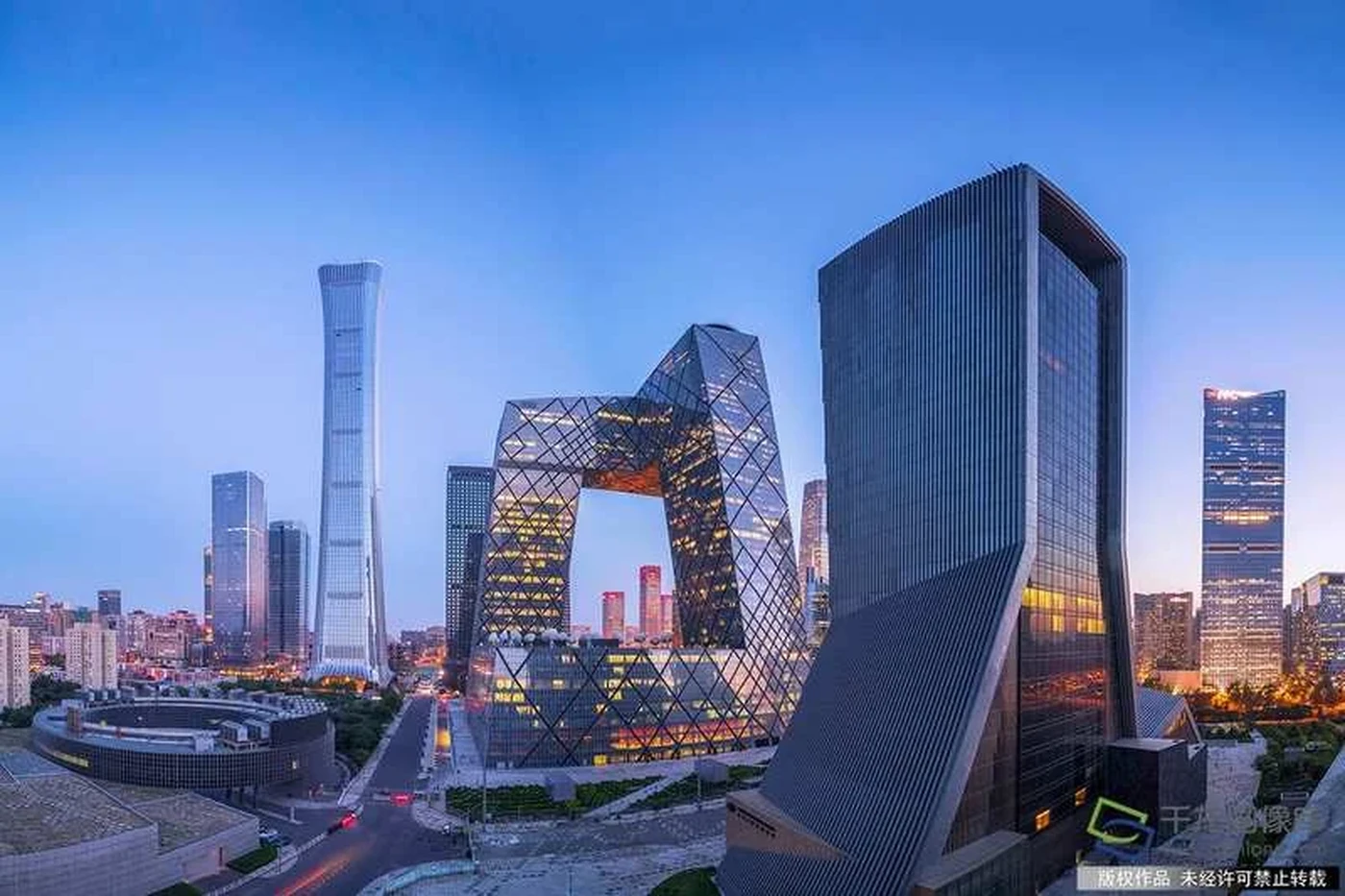
The CBD skyline above one of the world's busiest subway networks
1
Tap a foreign card
Check the current transport operator and card-issuer rules for accepted cards, gates, fares and payment methods before travel; availability can vary by station, card, device and transaction.
2
Alipay / WeChat transit QR
Open Alipay (or WeChat), search Beijing transport, activate the ride code once, then scan the QR at the gate. Fares auto-deduct — what most foreigners end up using day to day.
3
Beijing Pass / Yikatong
Prefer a physical card? Buy a Yikatong stored-value card (¥20 deposit) or the foreigner-focused Beijing Pass at airport arrival counters and railway or subway stations. Tap for metro, buses and even some attractions.
4
Buy a single ticket
Every station has English-language machines and a manned service centre. Pay by cash, card or Alipay for a one-ride token. A fine backup, but slower than tapping.
What a ride costs
Distance
Fare
Roughly
First 6 km
¥3
Most inner-city hops — Tiananmen to Lama Temple
6–12 km
¥4
Across the old city core
12–22 km
¥5
Downtown out to the 4th–5th Ring
22–32 km
¥6
Toward the suburbs / Universal Resort
Over 32 km
¥6 +¥1 / 20 km
Far day-trip stations
Airport Express (PEK)
¥25
Dongzhimen <svg class=ic aria-hidden=true focusable=false><use href=#i-arrow-swap /></svg> Capital Airport, ~20–30 min
Signs, maps and announcements are bilingual — you can navigate on English alone.
Free public toilets at almost every station.
Tap in and tap out — the fare is distance-based, so always remember to tap out.
Trains run roughly 05:00–23:00; check last-train times before a late night.
Follow the lettered exit signs — the right exit can save a 10-minute walk.
Avoid
Avoid rush hours 07:00–10:00 and 17:00–20:00 — lines 1, 4 and 10 are brutal.
Every entry has a security X-ray; open liquids may be sip-tested.
Prohibited: knives, scissors, self-defence sprays and alcohol; sprays over 120 ml are refused.
You may carry only 2 lighters and 2 boxes of matches.
Skip the ticket-machine queue at the airport — just tap a foreign card.
When to go
Beijing, month by month
The Summer Palace — Kunming Lake and the Long Corridor in warm season
The honest calendar most sites won’t give you: temperature, weather, crowds, what to wear and a straight verdict — including the weeks to avoid.
Month
Temp
Weather & crowds
What to wear
Verdict
Jan
−8 to 2°C
Cold, dry, crowd-free
Down coat, thermals, gloves
Empty palaces; skip if you hate cold — but snow on the Wall is magic.
Feb
−5 to 5°C
Cold; Spring Festival week
Heavy winter layers
Festive temple fairs, but many closures — book ahead and avoid the holiday itself.
Mar
2 to 14°C
Windy, some dust
Layers + windbreaker
Shoulder season; blossoms start late month, prices still low.
Apr
9 to 20°C
Mild, blossoms
Light jacket
Peak — cherry blossom at Yuyuantan. Insider: go weekday mornings.
May
15 to 27°C
Warm, lovely
T-shirt + light layer
Beautiful, but avoid the May 1–5 holiday crush.
Jun
20 to 31°C
Hot, greening
Summer wear + hat
Warm and green with the odd storm; fewer crowds than July.
Jul
24 to 33°C
Hot, humid, rainy
Breathable cottons + umbrella
The rainy low, plus school-holiday crowds. Most visitors miss that this is the worst window.
Aug
23 to 32°C
Hot, storms
Umbrella + strong sunscreen
Same as July — the real advice is simply to go another month if you can.
Sep
15 to 27°C
Crisp, blue skies
Easy layers
The real best month — gold light, kind temperatures.
Oct
8 to 20°C
Golden, dry
Light sweater
Glorious — but skip Oct 1–7 National Day.
Nov
0 to 12°C
Cold, ginkgo gold
Warm coat
Quiet, cheap and underrated; the ginkgo avenues glow.
Dec
−6 to 3°C
Cold, dry, clear
Serious down coat
Crowd-free palaces, hotpot, and skating on frozen Houhai.
Golden rule: aim for September–October or April–May, and skip the three domestic-crowd bombs — May 1–5, Oct 1–7 and Spring Festival week — when the Forbidden City and Great Wall are overwhelmed.
Book it right
Official sources & the practical directory
Where to book from the real, official channels — and the addresses and numbers worth saving before you land.
Book & verify at the official source
Book the Forbidden City on the official Palace Museum system
Forbidden City tickets
Book at the Palace Museum official ticketing site the moment the 7-day window opens; your passport name must match exactly. Official source, refreshed for 2026.
Tiananmen Square
Free real-name reservation via the official Tiananmen mini-program, usually a day ahead. Verify at the official channel before you go.
Subway map & times
The official Beijing Subway site publishes the live network map, first and last train times and fares — free to download.
Visa-free eligibility
Confirm your passport’s 30-day visa-free or 240-hour transit status on the official immigration list before booking flights. Verify at source; rules change.
The practical directory
Embassies & consulates
Most cluster in the Jianguomenwai and Sanlitun embassy districts of Chaoyang. Save your embassy address and 24-hour line before you fly, and keep a passport photocopy separately.
International hospitals
Confirm current medical services, language support, payment arrangements, insurance acceptance and emergency procedures directly with providers, insurers and official channels before relying on them.
Numbers worth saving
City area code +86 10; English tourist hotline 12301; weather 12121; police 110, ambulance 120, fire 119, traffic 122.
Left luggage & lost items
Left-luggage counters sit at Beijing, Beijing South and West railway stations and both airports. Lost something in a DiDi? Use the in-app lost & found; on the metro, ask the station office.
SIM & eSIM shops
Buy a local SIM with your passport at China Mobile / Unicom shops or airport counters, or activate a roaming eSIM before arrival to keep Google and WhatsApp alive.
Faith, schools & libraries
International churches, international schools and the National Library (Line 4 / 9) serve long-stay visitors and families relocating to Beijing.
Source & method: entry, payment, transport and ticketing details were re-checked against official Chinese government and operator sources as of 1 July 2026. Rules change — always verify at the official source before you travel.
How long to stay
How many days do you need in Beijing?
The question every itinerary starts with. Here is the honest answer by trip length — and why five days is the sweet spot most first-timers should book.
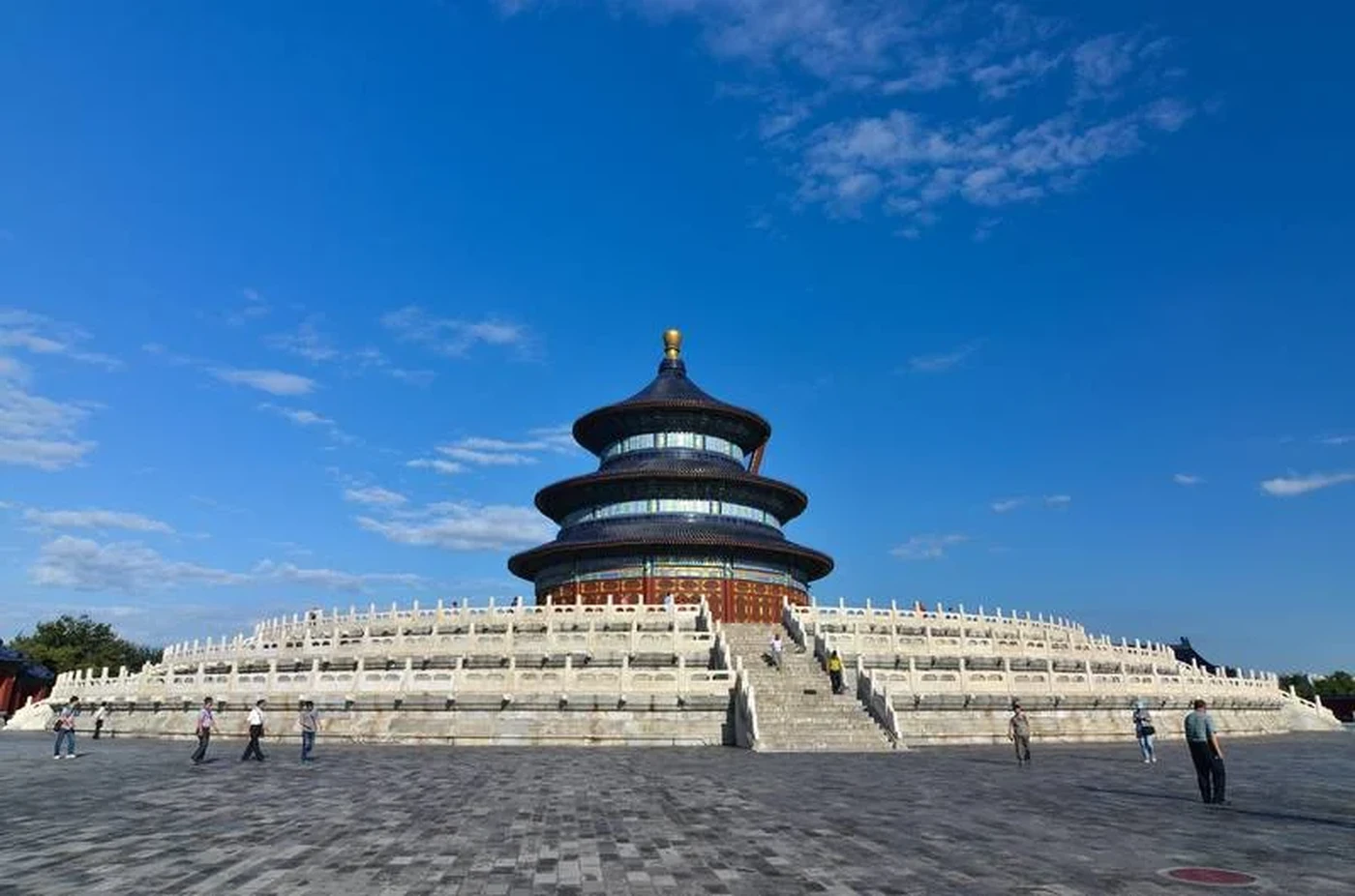
The Temple of Heaven — an easy morning even on a short tripHouhai & the hutongs — the living city a 5-day trip unlocksA quiet hutong lane — the Beijing you find with time to spare
Length
Style
What it covers
Verdict
3 days
The essentials
Forbidden City & the Central Axis · one Great Wall day · Temple of Heaven or the Summer Palace
A strong first taste — every icon, no downtime. You trade depth for pace.
5 days
The sweet spot
Everything above + hutong mornings, 798 or the Lama Temple, a proper food day and a slower rhythm
What most first-timers should book — the icons plus the living city, unrushed.
7 days
The deep visit
Everything above + a day trip (Gubei & Simatai, or a bullet-train hop to Datong or Pingyao), Universal and the big museums
For travellers who want Beijing unhurried, with time to wander and revisit.
Beijing + China
Use it as a hub
3–4 days here, then high-speed rail onward to Xi'an, Datong, Pingyao or Shanghai
The smartest routing if Beijing is your gateway into a longer China trip.
Put it all together
The four-day Beijing blueprint
A realistic, well-paced route that front-loads the must-sees, respects jet lag, and leaves room for the city to surprise you. Adjust the last day to your own interests.
Day two of the blueprint — the Great Wall at Mutianyu
Day 1The Central AxisBook Forbidden City ahead
08:00
Tiananmen Square at opening — clear security early (passport needed), watch the space wake up. Reserve Tiananmen 1 day ahead if your route crosses it.
09:00
Forbidden City, south-to-north from the Meridian Gate. Give it 2.5–3 hours; add the Treasure/Clock galleries if you have stamina. Book on the official Palace Museum system the moment the 7-day window opens.
12:30
Exit the north gate; lunch in the hutongs — zhajiangmian or a courtyard cafe.
14:00
Jingshan Park — climb for the best view in Beijing over the golden roofs (¥2). Come back here at sunset another day for the money shot.
16:00
Wander Shichahai & Houhai lakes and the Drum & Bell Towers; stay for dinner and lantern light.
Day 2The Great WallFull day — leave early
07:30
Depart for Mutianyu (first-timers/families — restored, cable car + toboggan) or Jinshanling (half-wild, superb hiking). Pre-book a small-group tour or private car; DiDi long-distance also works.
10:00
On the Wall — walk a long section away from the entry point to lose the crowds. Bring water, sun protection, grippy shoes.
13:00
Lunch near the base, then optional stop at the Ming Tombs / Sacred Way on the way back.
18:00
Back in the city; recover with copper-pot mutton hotpot — winter on a plate.
Day 3Gardens, temples & artChoose your depth
08:30
Temple of Heaven — arrive for the morning park life (tai chi, opera) before the monuments.
11:00
Summer Palace — Kunming Lake, the Long Corridor, Longevity Hill. Enter north, cross over, finish at the Seventeen-Arch Bridge.
15:00
Pick one: Lama Temple + Confucius Temple (spiritual), 798 Art District (contemporary), or National Museum (history, free, reserve).
19:00
Peking duck dinner at Siji Minfu or Da Dong — reserve or go off-peak.
Day 4Your BeijingOptional / day trip
AM
Slow hutong morning — a calligraphy or dumpling class, a bike loop, or Panjiayuan antique market (weekends).
PM
Day-trip option: Gubei Water Town + night-lit Simatai Wall, Tianjin (30 min by bullet train), or the Universal Studios park with kids.
Dusk
Finish with a rooftop cocktail over the CBD skyline or the sunset climb back up Jingshan.
Leaving Beijing
Onward by high-speed rail
Beijing is the hub of China's bullet-train network — most of the country's greatest hits are a comfortable ride away. Times and 2nd-class fares below are approximate; confirm live on 12306 or Trip.com.
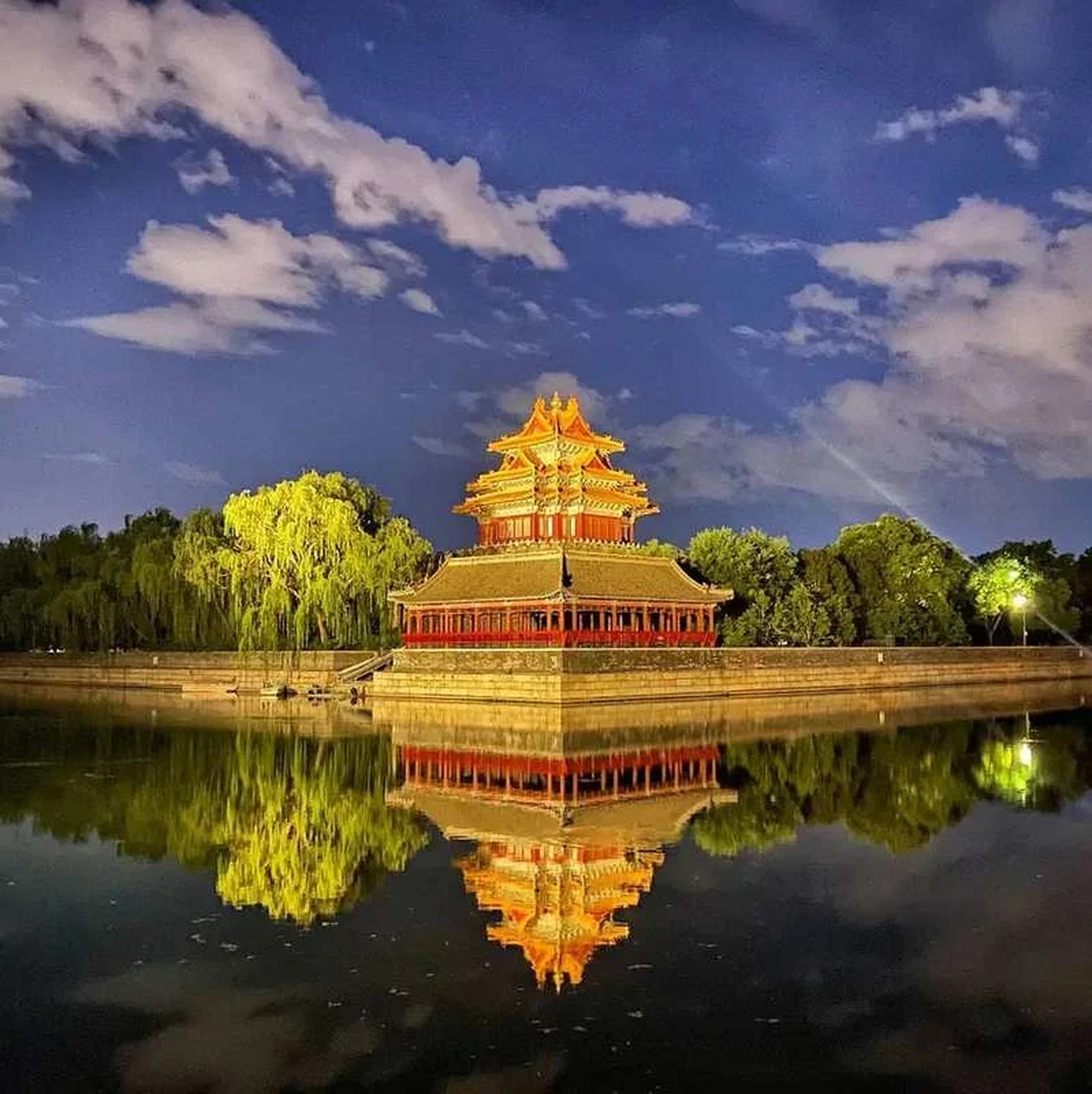
Beijing after dark — the launch point for high-speed trains across China
Destination
By HSR
2nd-class
Why go
Tianjin
30–37 min
≈¥55
Colonial streets & food — an easy half-day
Chengde
~1 hr
≈¥60
Imperial summer resort & the outlying temples
Datong
~1 hr 40
≈¥180
Yungang Grottoes & the Hanging Temple
Pingyao
~3 hr 20
≈¥190
Walled Ming–Qing city (some through-trains)
Luoyang
~3 hr 40
≈¥340
Longmen Grottoes & Shaolin Temple
Xi'an
4.5–6 hr
≈¥515
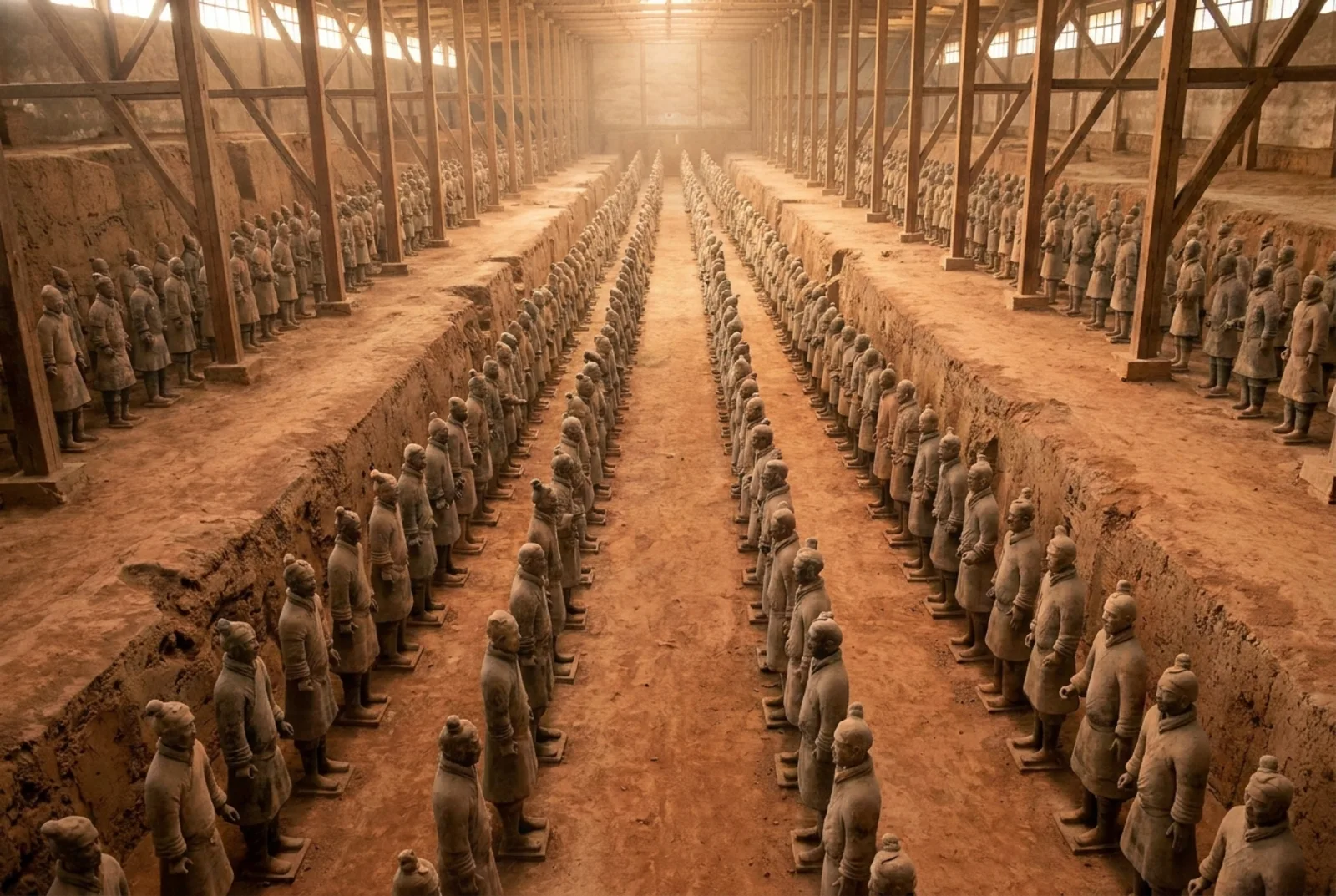
The Terracotta Army — the classic next stop
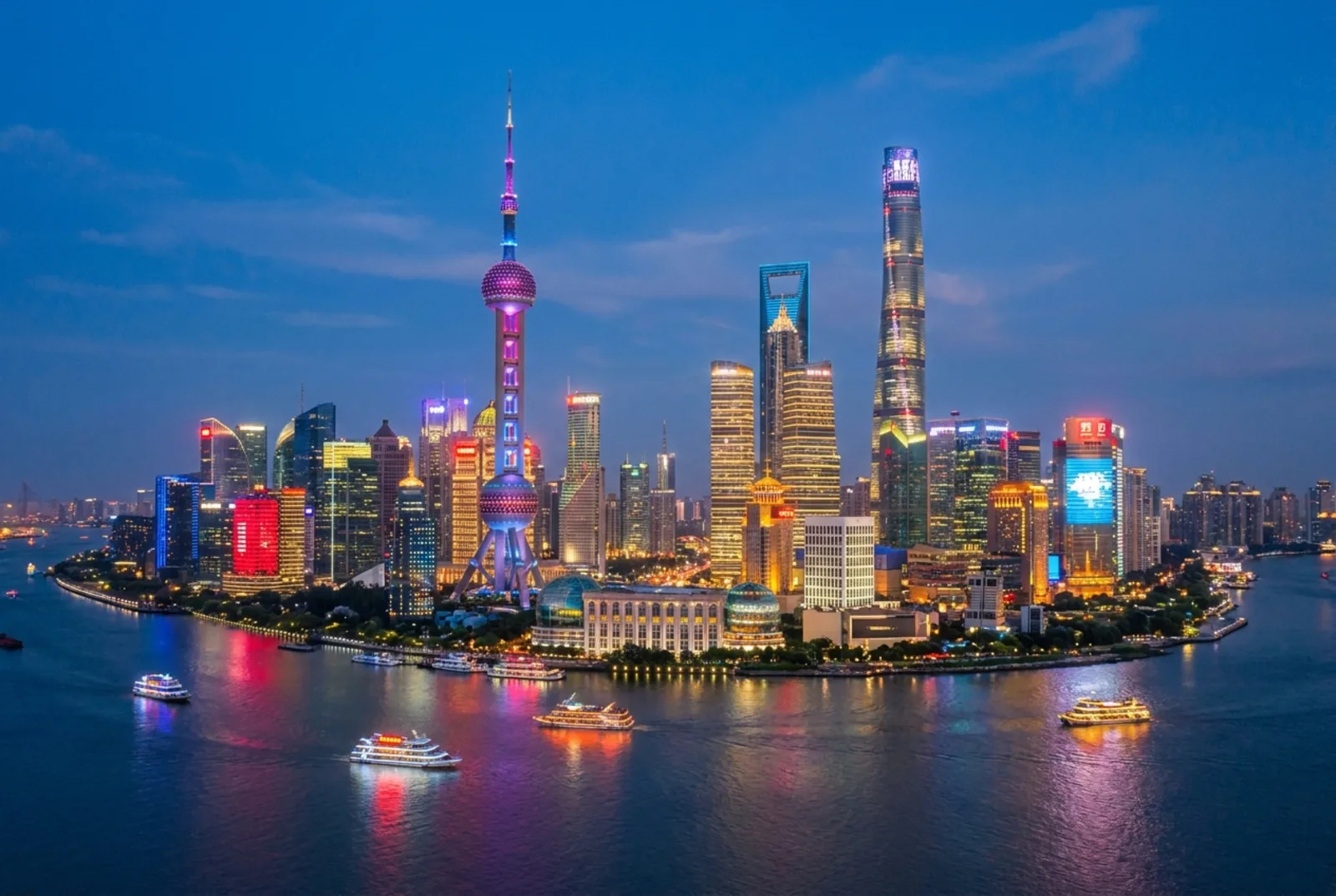
Shanghai
~4.5 hr
≈¥560
The modern megacity, end to end by rail
How to board: trains leave from Beijing, Beijing South, Beijing West, Beijing North, Beijing Chaoyang and Beijing Fengtai stations — check which one is printed on your ticket. Book in English on Trip.com or the official 12306 app; your passport is your ticket, so just tap it at the gate. Arrive 40 minutes early for airport-style security, and pick a G-series train for the fastest run.
Do not collect sights randomly. Use these as the spine of the trip, then add smaller places based on your pace, weather and interests.
01
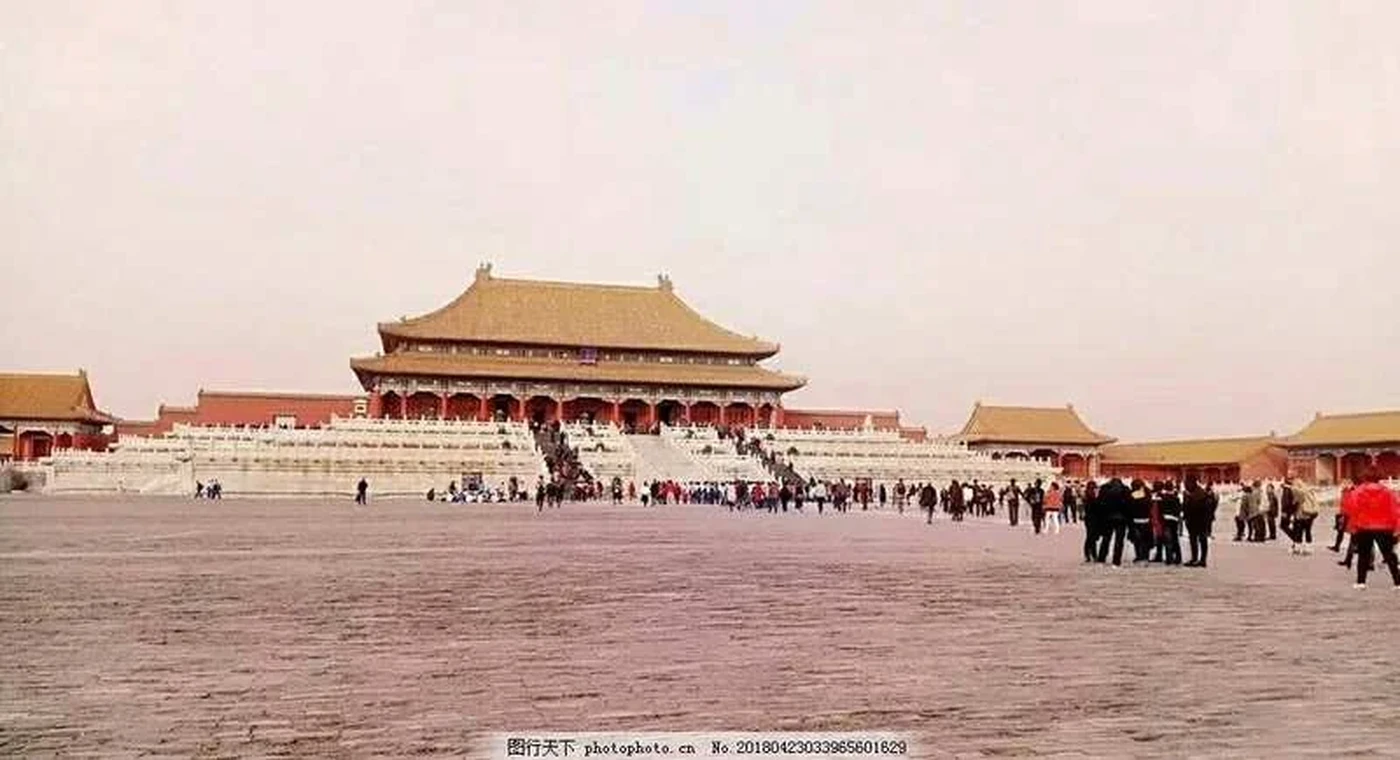
The Forbidden City 故宫
Book earlyPassport IDClosed Mon*2.5–4 h
The imperial axis at full scale. Go at opening, enter from the Meridian Gate, resist the urge to see every side hall, and finish through the north gate toward Jingshan.
If you only book one ticket in Beijing, make it this one — the passport name must match exactly.
02
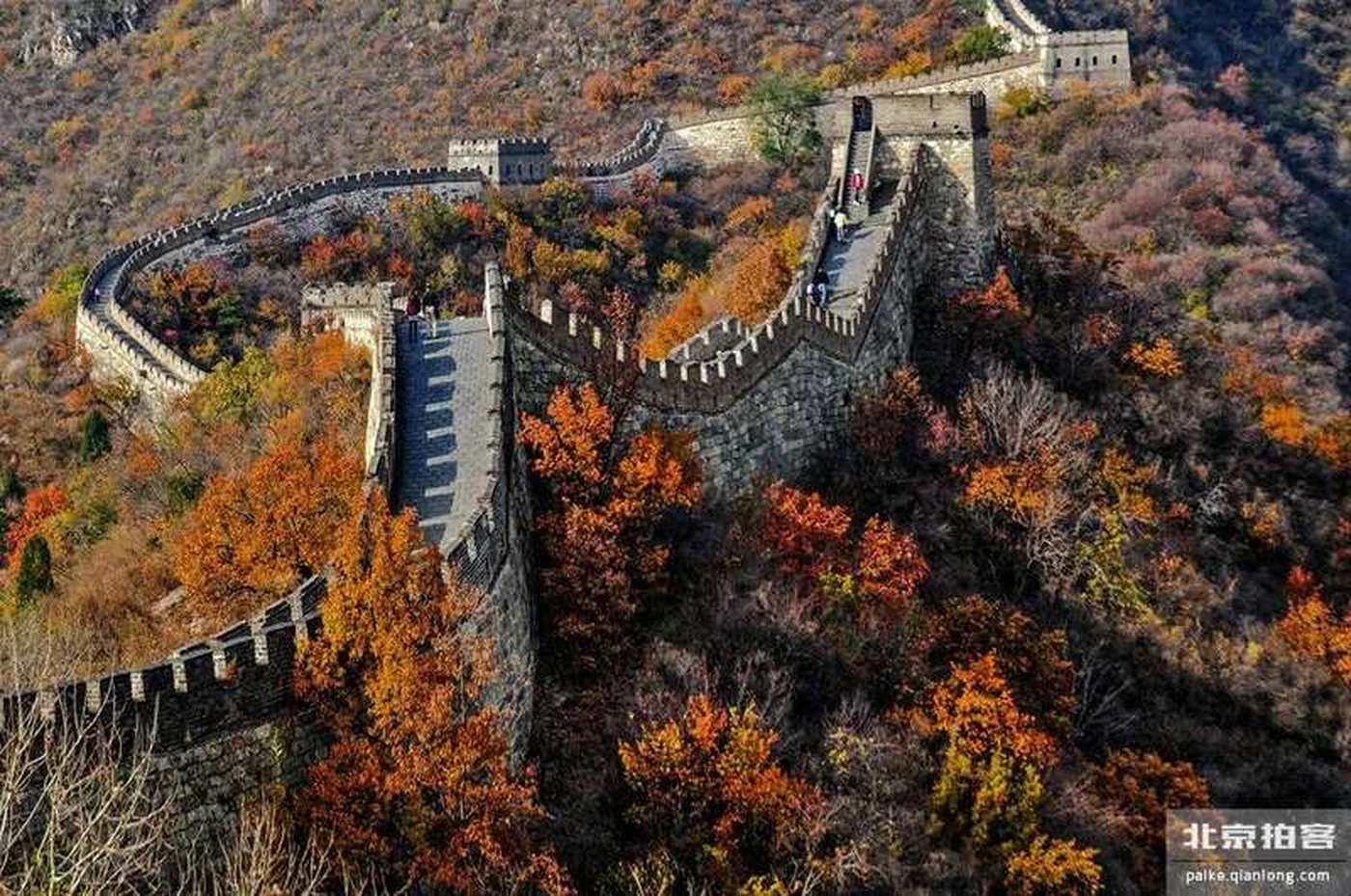
Mutianyu Great Wall 慕田峪长城
1.5 h outCable carTobogganHalf day
The most balanced Great Wall choice for first-timers: dramatic ridges, manageable logistics, fewer crowds than Badaling, and enough mountain atmosphere to feel the scale.
Leave by 7am. If you wait until late morning, you will spend the day behind tour groups.
03
Temple of Heaven 天坛
Dawn¥15–35Line 52 h
The Hall of Prayer is the postcard; the park at dawn is the reason to go. Tai chi, sword dance, water calligraphy and opera make this Beijing at its most alive.
Come before breakfast, then eat nearby like a local.
04
Summer Palace 颐和园
Half dayLine 4Lake walkGolden hour
A vast imperial landscape of lake, corridor, hill and bridges. It is not a quick tick-box sight; give it time and let it slow the trip down.
North gate in, hill over, lake loop out is the cleanest first-timer route.
05
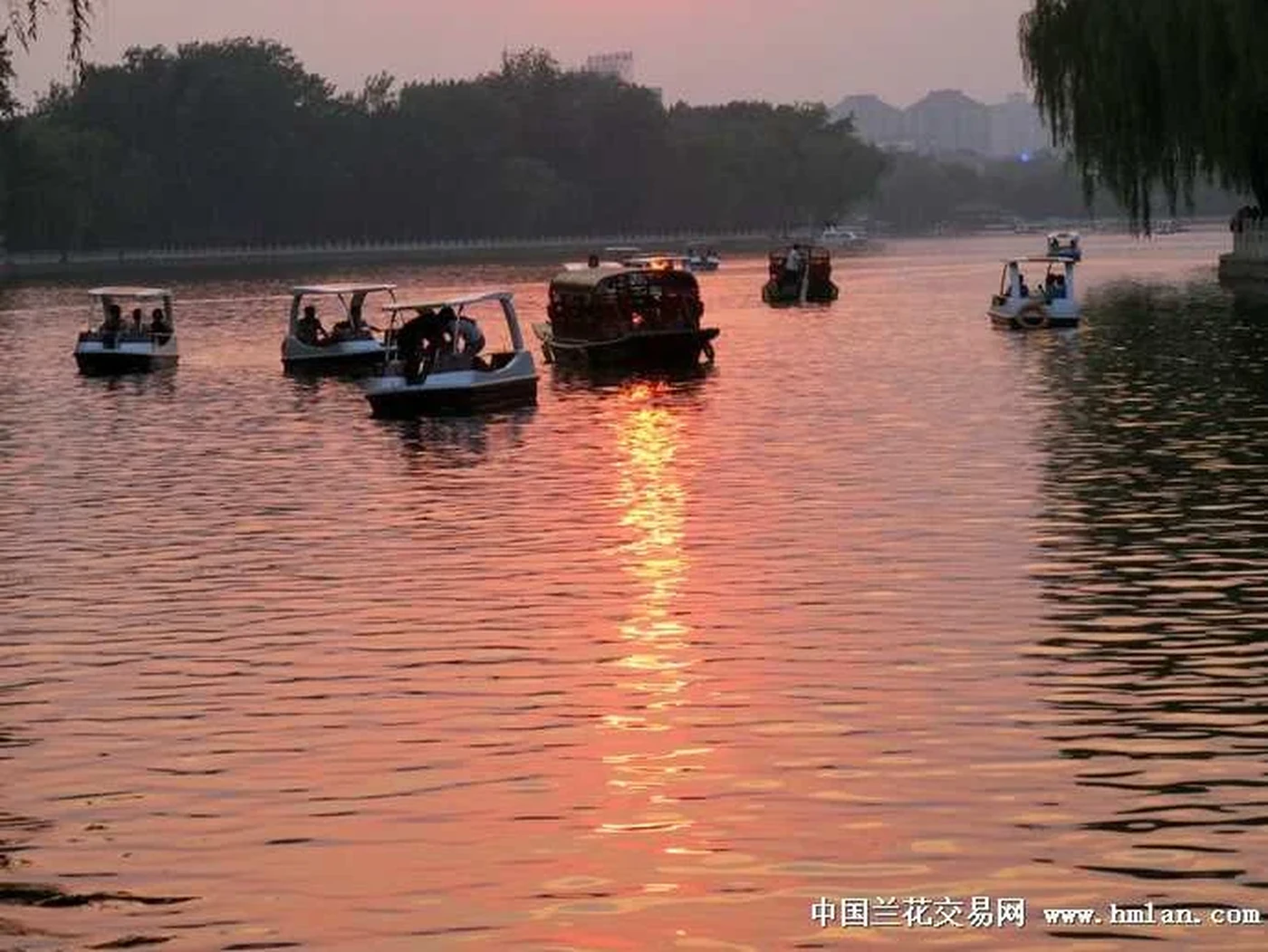
Shichahai & Houhai 什刹海·后海
FreeHutongsEvening walkLine 8
Old Beijing at human scale: lakes, bridges, grey-brick lanes and courtyard doors. Skip the loudest bar strip and drift into the quieter side lanes.
Best after 4pm, when the light softens and dinner options open.
06
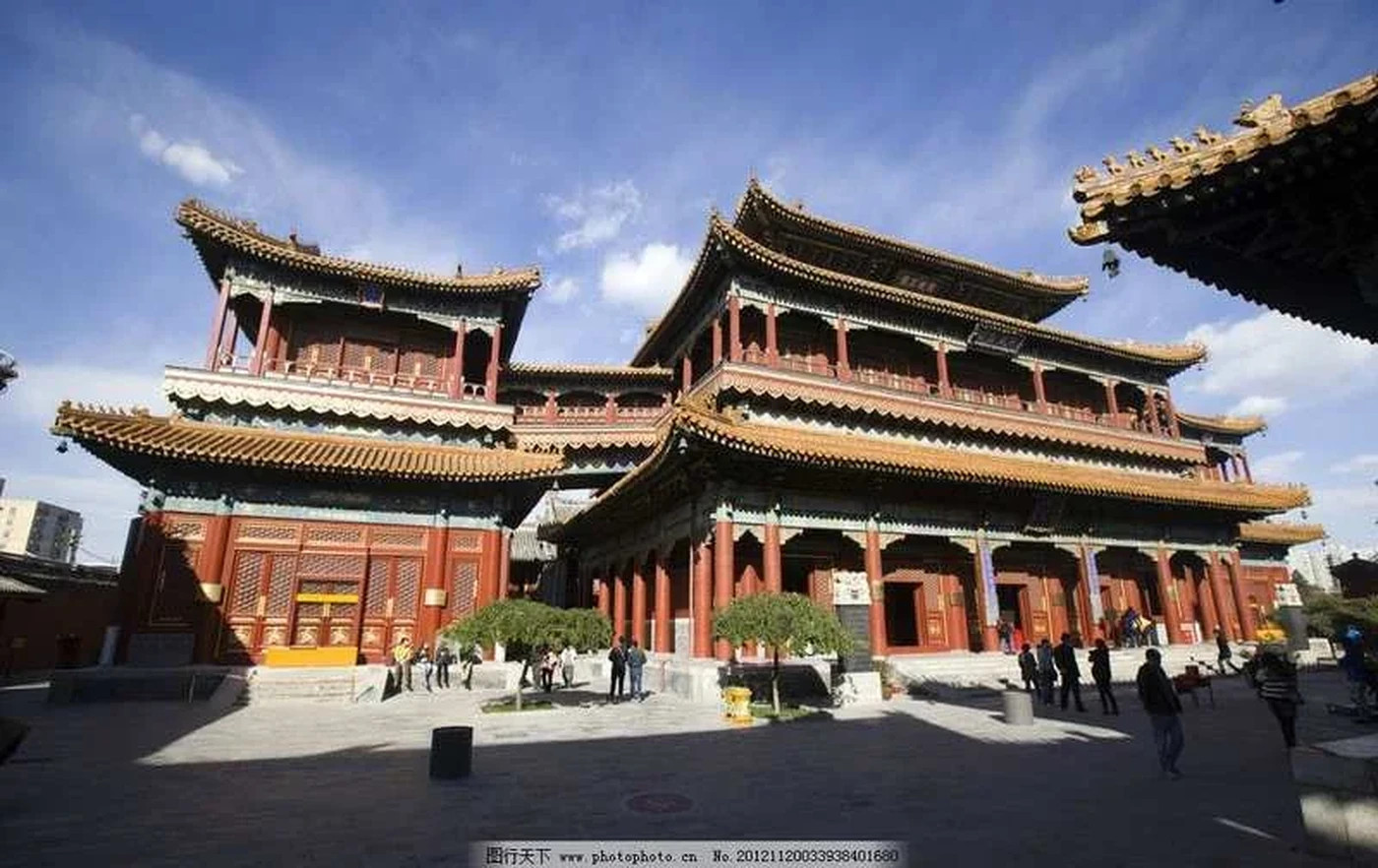
Lama Temple 雍和宫
Morning¥25IncenseLine 2/5
Beijing's most atmospheric working temple, thick with incense and Tibetan-Buddhist colour. Pair it with Confucius Temple and Guozijian across the lane.
Dress calmly, keep your voice low, and do not treat worshippers as photo props.
More Beijing
Choose by traveler type.
Culture lovers
National Museum 国家博物馆
Huge, free, reservation-heavy overview of Chinese history. Pair with Tiananmen only if you have the energy.
2–4 h · Book aheadQuiet imperial Beijing
Beihai Park 北海公园
Lake, white dagoba and old pavilions beside the Forbidden City. A perfect backup when palace tickets sell out.
1.5–2.5 h · EasyCourtyard history
Prince Gong Mansion 恭王府
A richly restored Qing mansion near Shichahai; better with context, but beautiful and manageable.
1.5–2 h · TicketedOld-city rhythm
Drum & Bell Towers 鼓楼钟楼
Climb for hutong views and timed drum performances; excellent before a Gulou food walk.
1–1.5 h · CentralScholarly lanes
Confucius Temple & Guozijian 孔庙国子监
Quiet, atmospheric, and perfect after Lama Temple when you want culture without crowds.
1–2 h · Line 2/5Market hunters
Panjiayuan 潘家园
Antiques, calligraphy, beads, Mao memorabilia and bargaining theatre. Best on weekends, but know it is touristy.
2 h · WeekendArchitecture fans
Olympic Park 奥林匹克公园
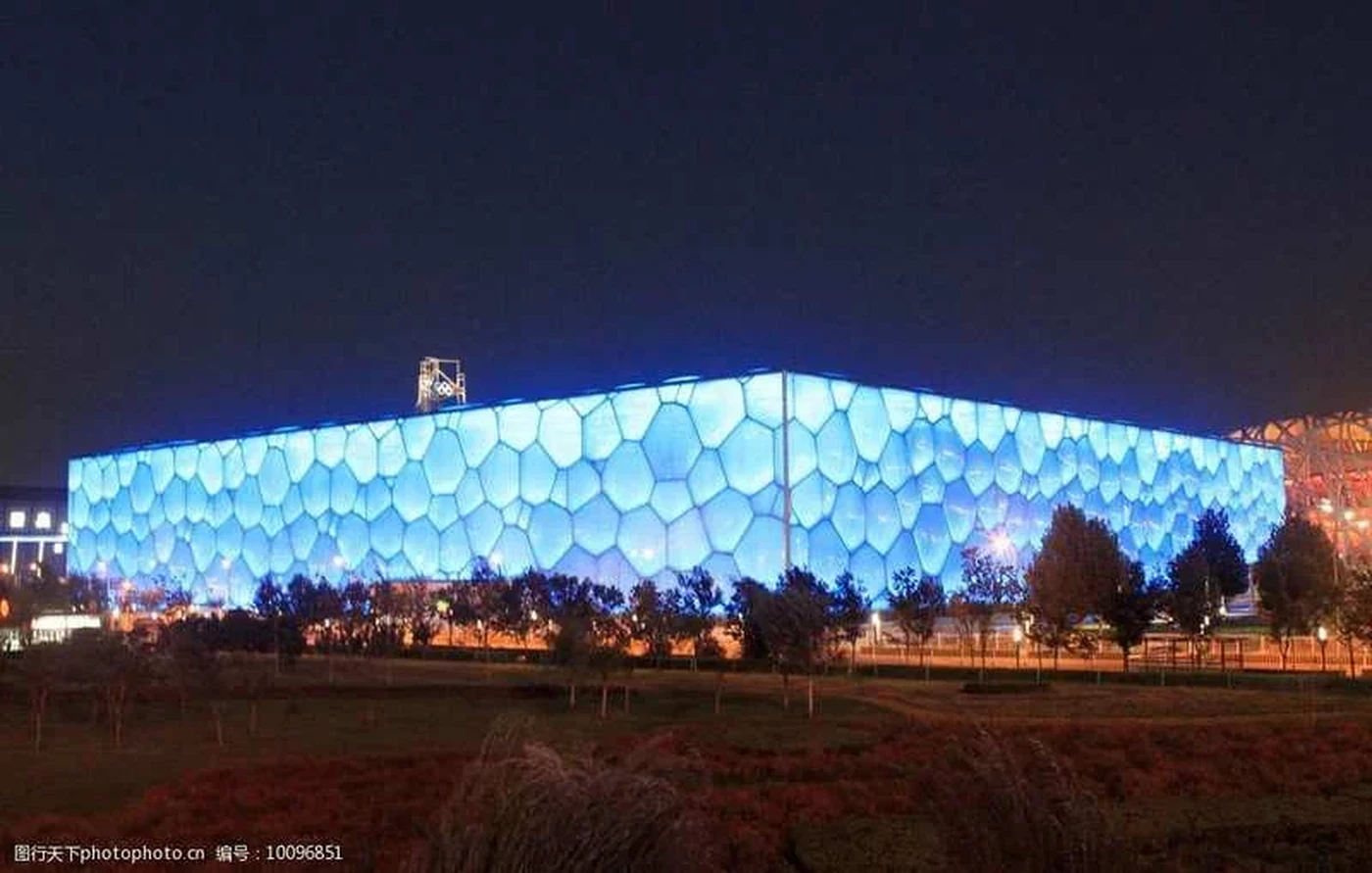
Bird's Nest, Water Cube and broad night views. Not essential for short trips, good for families or photographers.
1.5–2 h · EveningContemporary Beijing
Red Brick Museum 红砖美术馆
Beautiful architecture and quieter art-world energy than 798, but farther out and better by Didi.
Half day · DesignNightlife / dining
Sanlitun 三里屯
Embassies, cocktail bars, international restaurants and shopping. Best when you need an easy English-friendly evening.
Evening · EasyRiver walks
Liangma River 亮马河
Modern waterside lights, cafes and soft nightlife — a more relaxed alternative to bar-street chaos.
Evening · LocalIndustrial renewal
Shougang Park 首钢园
Big industrial landscapes, Olympic ski-jump views and modern cafes; best for repeat visitors.
Half day · FartherPerforming arts
NCPA / Lao She Teahouse 国家大剧院 / 老舍茶馆
Use these for a rainy night: opera, concerts, acrobatics or tea-house performance without another temple.
Evening · Book
Skip, swap or treat carefully
Nanluoguxiang at noon
The main lane becomes a souvenir river. Go early, then escape into side hutongs.
Random rickshaw tours
Set the total price in writing first, or walk. Hutongs are better on foot anyway.
Too many temples in one day
Lama, Confucius, Temple of Heaven and Summer Palace together becomes visual fatigue. Mix tempos.
Which Great Wall?
Section
The vibe
From the city
Crowds
Best for
Mutianyu
Restored, forested, cable car + toboggan
70 km · 1.5 h
Moderate
First-timers & families
Badaling
Grandest & most restored; reachable by train
70 km · 1.5 h
Very high
Short on time, no car
Jinshanling
Half-wild, superb ridge hiking
130 km · 2.5 h
Low
Hikers & photographers
Gubeikou / Simatai
Rugged, lit night-wall + Gubei Water Town
140 km · 2.5 h
Low–med
An overnight escape
Eat Beijing
Food is a route, not a list.
The best food advice is situational: what to order, where you are that day, whether you can read the menu, and how adventurous you want to be.
Peking Roast Duck烤鸭
Crowd-pleaser
Lacquered, wood-fired, carved tableside and wrapped in pancakes. The one dish you cannot leave without. ¥180–300 a duck at Siji Minfu or Da Dong.
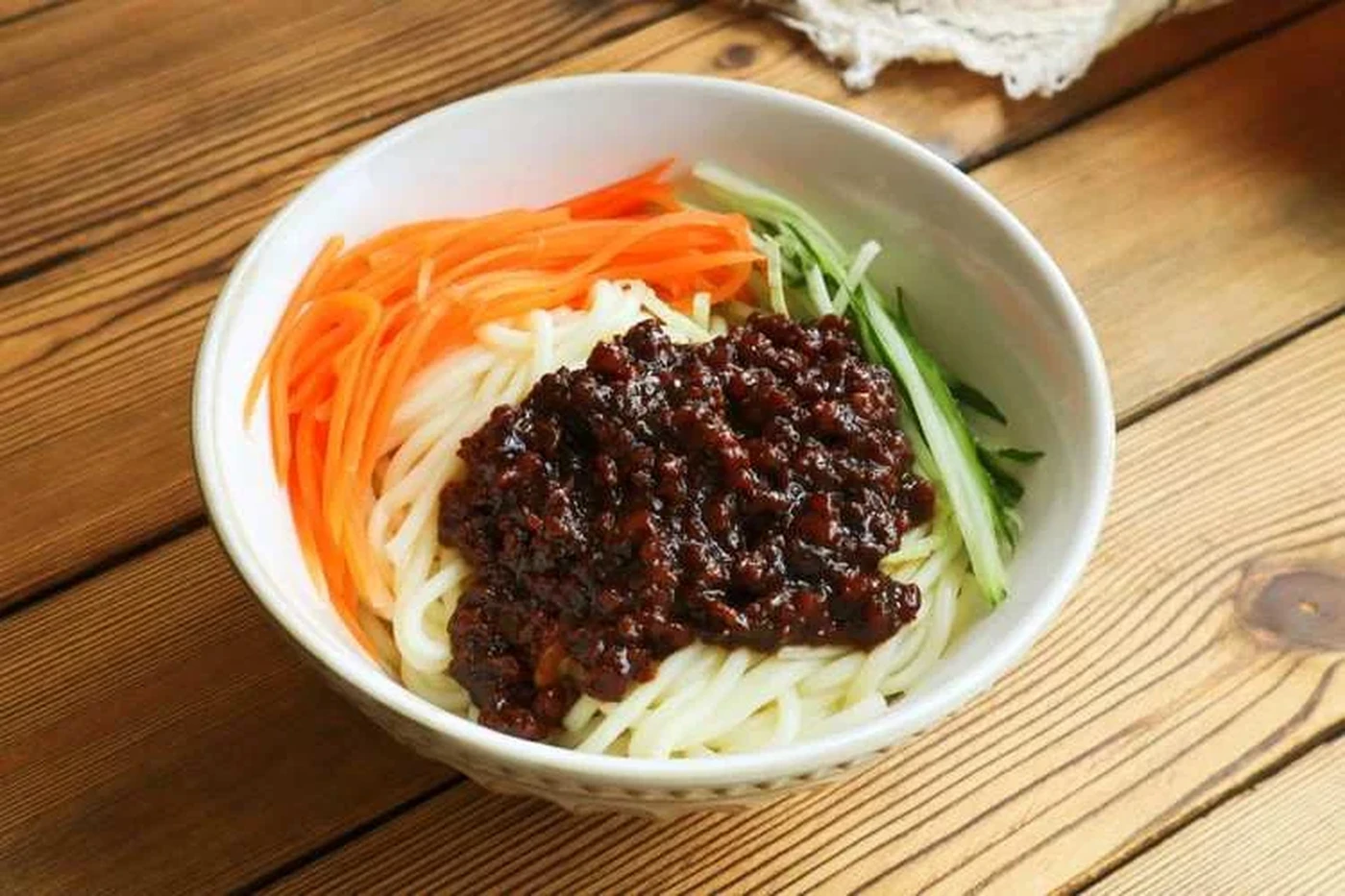
Zhajiangmian炸酱面
Crowd-pleaser
Hand-pulled noodles under fried soybean paste and a rainbow of crunchy vegetables you stir in yourself. The city's ¥20 comfort bowl.
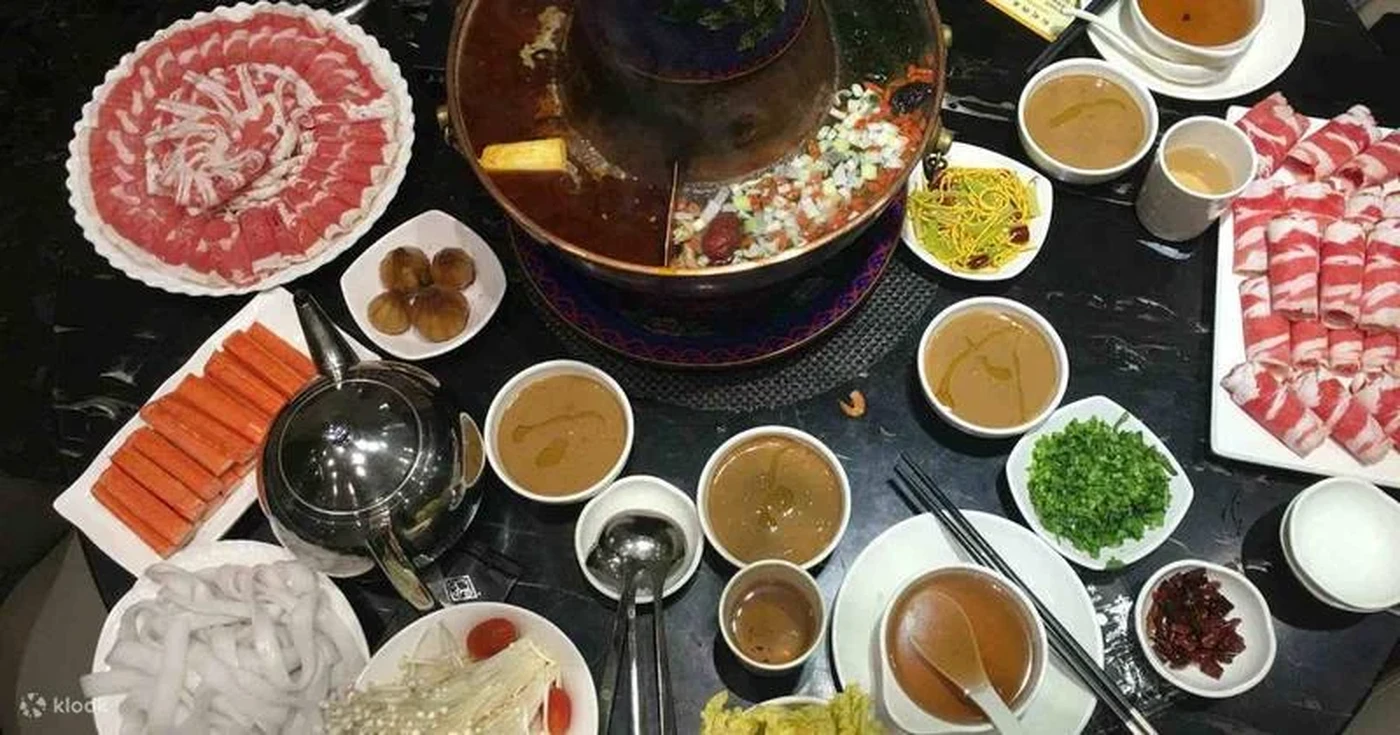
Copper-pot mutton涮羊肉
Crowd-pleaser
Charcoal copper pot, clear broth, paper-thin lamb, sesame dip. Winter on a plate — head to a Donglaishun or a Ghost Street institution.
Tanghulu糖葫芦
Crowd-pleaser
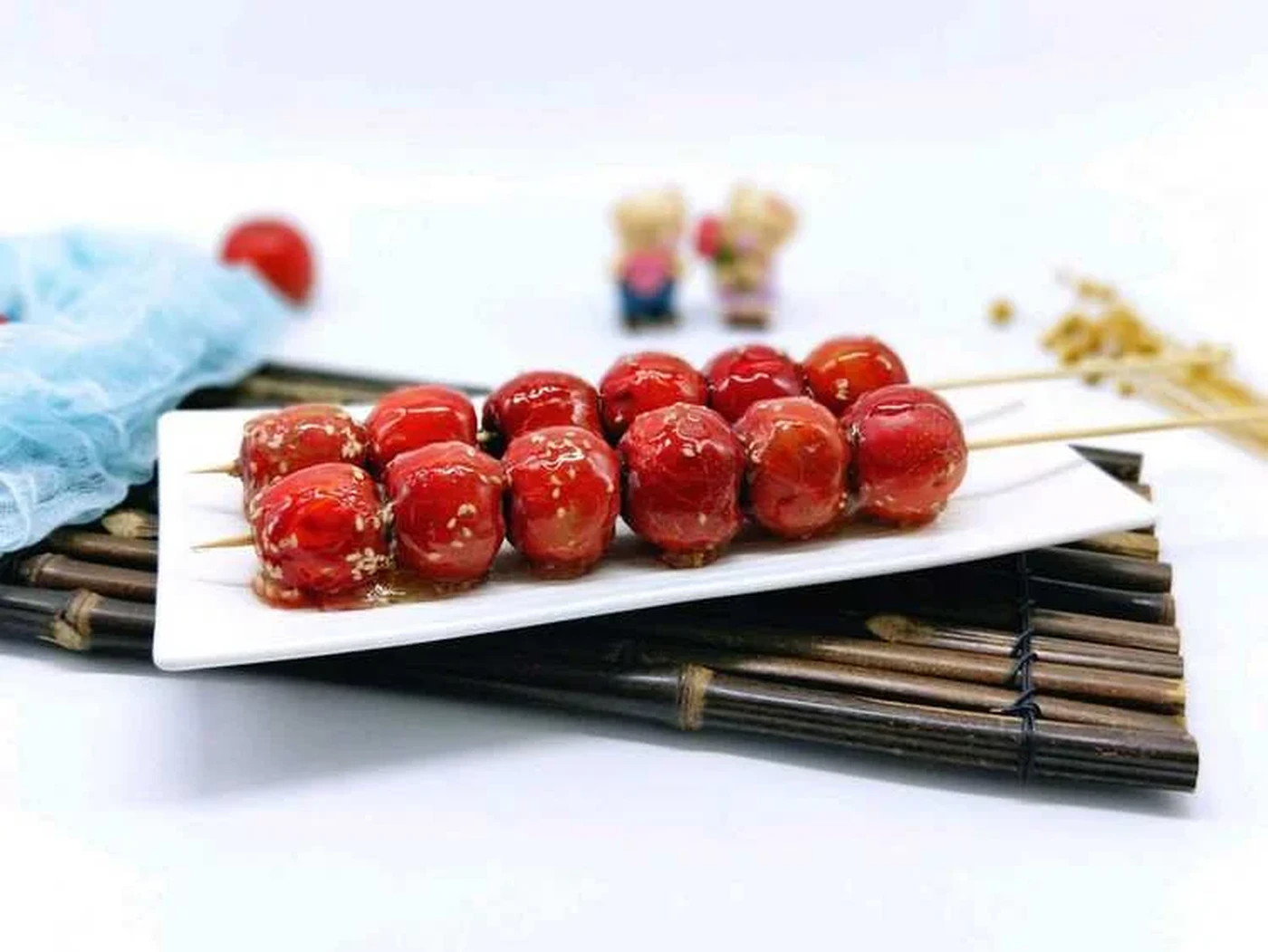
Candied hawthorn on a stick: glassy sugar shell, tart fruit. The original ¥10 street-food dessert, on every winter corner.
Imperial Court Snacks宫廷点心
Crowd-pleaser
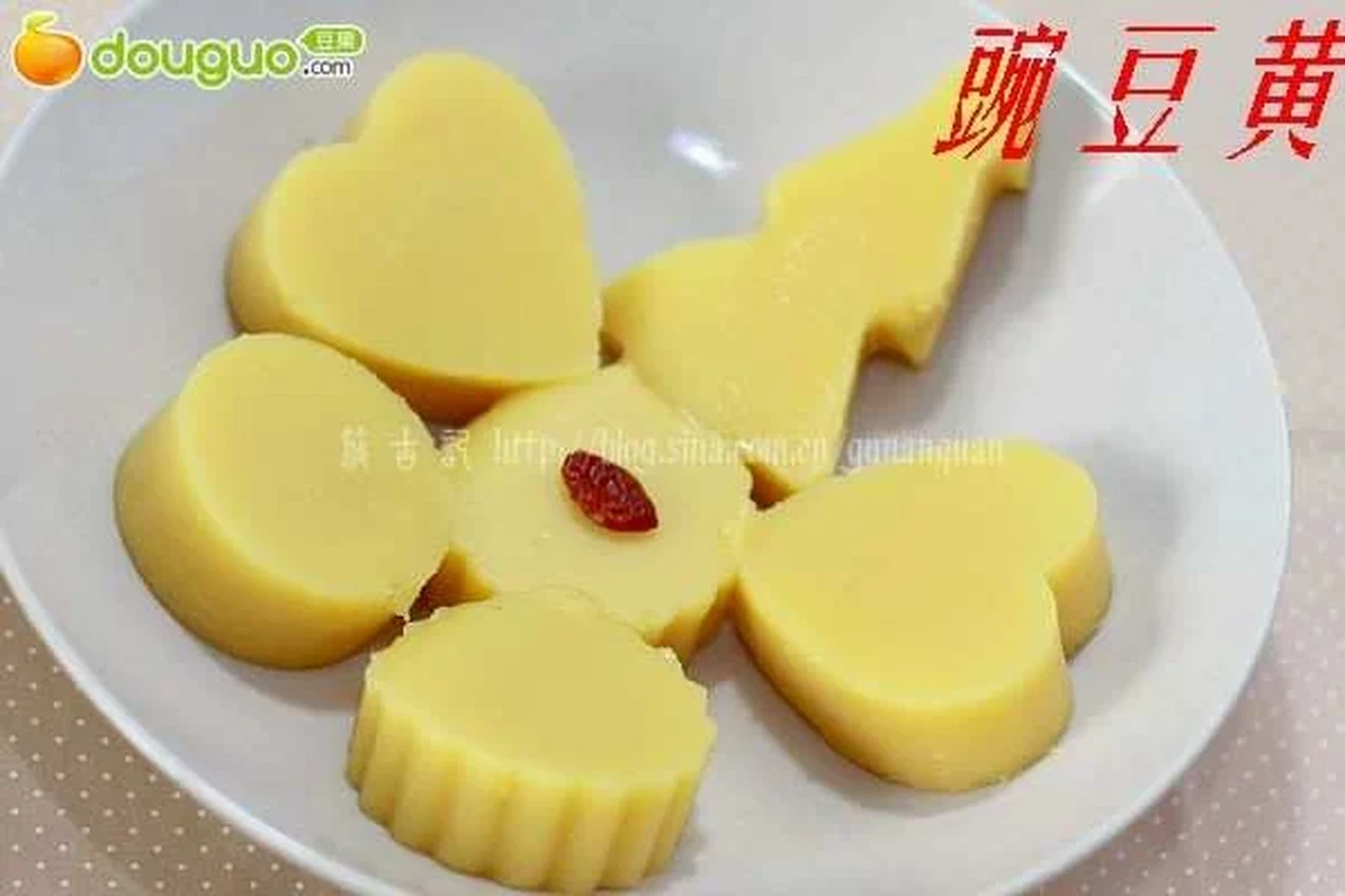
Pea-flour cake, rolling-donkey, red-bean rolls — delicate pastel sweets straight out of the Qing palace kitchens.
Douzhi & jiaoquan豆汁·焦圈
For the brave
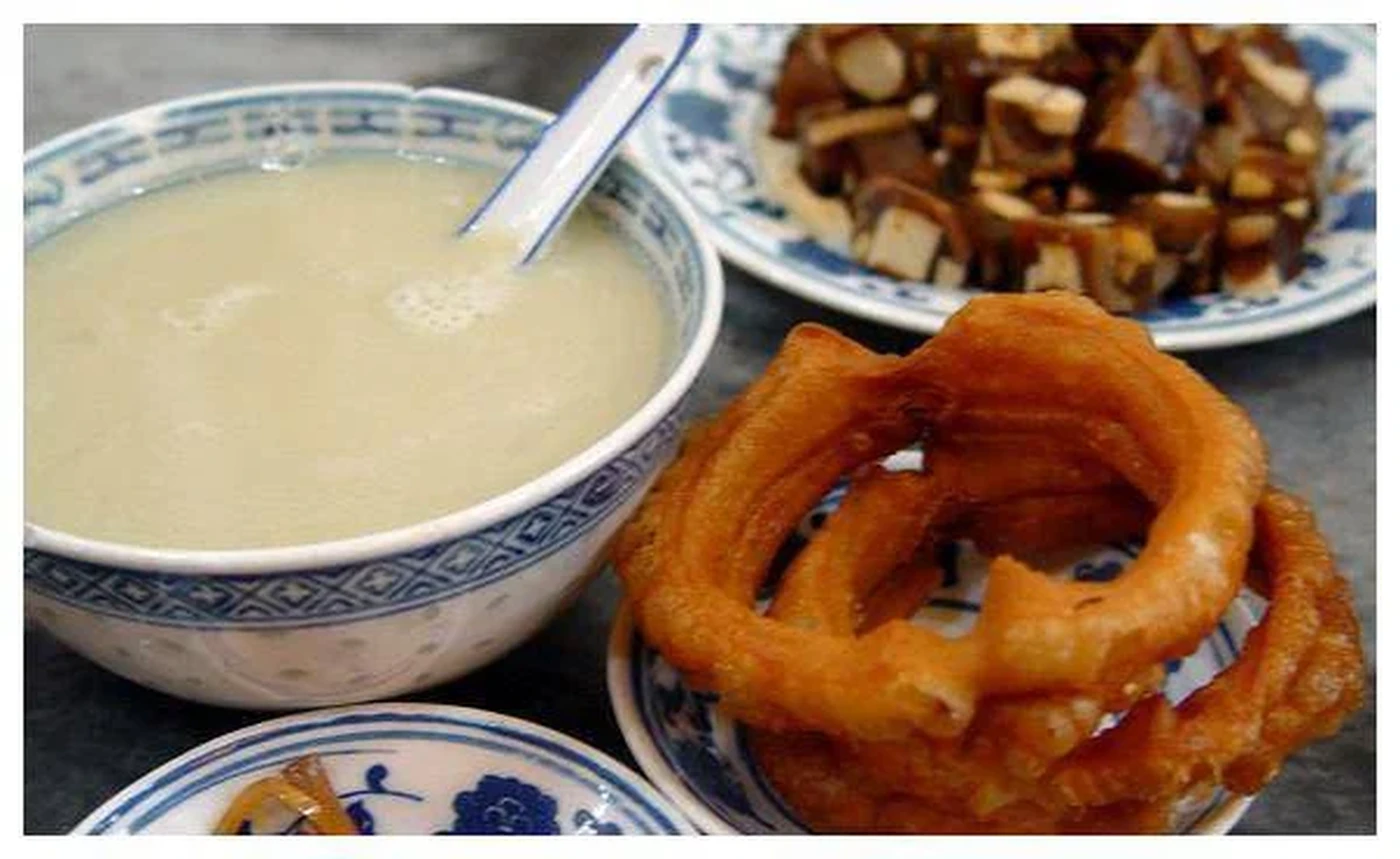
Fermented mung-bean brew with a fried dough ring. Sour, funky, beloved by old Beijingers — the city's ultimate taste dare.
Food hit list
Try this
Type
Where
Budget
Roast duck 烤鸭
Classic
Siji Minfu / Da Dong
¥150–400 pp
Jianbing 煎饼
Breakfast
Street carts near metro exits
¥6–12
Zhajiangmian 炸酱面
Comfort bowl
Old-Beijing noodle shops
¥20–40
Copper-pot mutton 涮羊肉
Dinner
Donglaishun / local hotpot
¥80–180 pp
Luzhu huoshao 卤煮火烧
Adventurous
Old snack shops
¥25–45
Baodu 爆肚
Adventurous
Huguosi / snack streets
¥30–60
Mentougou meat pie 门钉肉饼
Easy
Niujie / local diners
¥15–35
Chao gan 炒肝
Old Beijing
Breakfast/snack shops
¥8–20
Tanghulu 糖葫芦
Sweet
Winter street stalls
¥8–15
Wandouhuang 豌豆黄
Sweet
Snack shops
¥8–25
Aiwowo 艾窝窝
Sweet
Huguosi / pastry counters
¥8–25
Majiang shaobing 麻酱烧饼
Snack
Hotpot side / bakeries
¥3–8
Yangxiezi 羊蝎子
Winter
Hotpot restaurants
¥90–180 pp
Beijing yogurt 老北京酸奶
Easy
Convenience stores / snack shops
¥6–12
Niujie halal snacks 牛街小吃
Halal
Niujie
¥20–60
Temple vegetarian 素食
Vegetarian
Lama Temple area
¥50–300 pp
Eat near the sights
Forbidden City / Jingshan
Go for Siji Minfu, Qianmen duck houses or simple noodle shops; avoid random tourist “imperial banquet” touts.
Temple of Heaven
Eat breakfast before/after the park: jianbing, soy milk, buns or local noodle shops near Line 5.
Lama Temple / Guozijian
Best for vegetarian, cafes, small restaurants and quieter post-temple lunches.
Gulou / Houhai
Great for hutong breakfasts, dumplings, craft beer and low-pressure evening wandering.
Niujie
Best halal zone: lamb pies, beef noodles, sesame snacks and Muslim bakeries.
Sanlitun
International food, cocktail bars and easy English-friendly dinners when you need a break.
798
Cafes, galleries and modern casual dining; better for coffee and lunch than classic Beijing food.
Guomao / CBD
Best for high-end dining, hotel restaurants and skyline drinks.
Dietary needs
Vegetarian
Say 素食 (sùshí). Buddhist/temple-style restaurants are easiest; still ask about meat stock.
Vegan
Harder but possible. Use 我不吃肉蛋奶 (no meat, eggs or dairy) and choose dedicated vegetarian places.
Halal
Look for 清真 (qīngzhēn). Niujie is the safest, richest area for Muslim travelers.
No spicy
Say 不要辣 (bú yào là). Beijing food is often less spicy than Sichuan/Hunan, but sauces vary.
Gluten-free / celiac
Treat soy sauce, noodles, dumpling skins and battered fried food as wheat risks. Rice, hotpot with clear broth and simple grilled dishes are safer.
Dairy-free
Traditional Beijing meals are often low-dairy, but watch milk tea, desserts, bakery items, cheese toppings and Western-style cafés.
Allergies
Show the Chinese allergy phrase and ingredient. For severe allergies, carry a translated card and avoid places that cannot confirm ingredients.
Food safety
Busy shops with high turnover are your friend. Drink bottled/boiled water; be cautious with ice in tiny stalls.
Stay Beijing
Your base shapes the trip.
First-timers should optimize for foreign-passport acceptance, metro access, clear Chinese address, and a neighborhood that fits the trip length.
Area
Best for
Why it works
Watch out
Wangfujing
First-timers, families, easiest logistics
Walkable to the axis, many foreigner-friendly hotels, easy metro/taxis
Less hutong atmosphere; hotel prices higher
Qianmen / Dashilan
History lovers, short stays
South of Tiananmen, old-shop streets, good access to Temple of Heaven
Touristy in parts; choose hotel carefully
Dongsi / Dongcheng hutongs
Boutique stays, photographers, slow travelers
Courtyard feel, central, good food lanes, close to Line 5/6
Rooms can be smaller; check soundproofing
Gulou / Houhai
Night walks, bars, lake atmosphere
Great for hutongs, cafes and evening wandering
Some lanes get noisy; taxi access can be tricky
Sanlitun
Restaurants, nightlife, embassies, expats
Most international dining and bars; good for nervous first-timers
The itinerary is intentionally simple: do the axis, do the wall, then decide whether you want gardens, art, temples, food, nightlife or day trips.
3-day essential
Day 1Tiananmen Forbidden City Jingshan Qianmen dinner.
Day 2Mutianyu Great Wall Ghost Street / hotpot.
Day 3Temple of Heaven hutongs roast duck.
7-day deep dive
Days 1–3Essential route, slower.
Days 4–5Summer Palace, 798, CBD, Sanlitun.
Days 6–7Lama/Confucius temples, day trip or Universal.
Health, air and emergencies
01
Air quality — check, don't fear
Beijing's air is much better than its old reputation, but winter and spring dust days still happen. Check AQI in Amap each morning; on bad days, use a KN95/N95 mask and switch to museums, temples or teahouses.
AQI + mask plan
02
Medical care
Facility services, language support, appointment availability, clinical suitability and pricing must be confirmed directly with the provider and your insurer. For urgent situations, use currently verified official emergency guidance.
Verify before relying
03
Insurance and medicines
Confirm your insurer's coverage, assistance process, exclusions and payment rules before travel. For prescribed medicine, verify destination import requirements and ask a qualified clinician or pharmacist about safe use.
Check terms and rules
04
Emergency basics
Save contacts only after checking them with official, accommodation and insurer sources. Water safety depends on the local supply and venue; follow current local and accommodation guidance rather than treating this guide as medical or safety advice.
Verify contacts locally
When to go
Spring Festival 春节late Jan–Feb
Temple fairs at Ditan and Longtan, lanterns and dumplings — the city at its most festive, but book early and expect closures.
Blossom seasonlate Mar–Apr
Yuyuantan Park erupts in pink cherry and peach blossom; mild layers, thinner crowds — prime time.
Dragon Boat 端午June
Sticky-rice zongzi everywhere and races on the lakes; a warm, lively long weekend.
Mid-Autumn 中秋Sep / Oct
Mooncakes and a full moon over Houhai. Often falls near National Day, so check the dates.
Golden autumnlate Sep–Oct
Weather, crowding, foliage and holiday schedules vary; check current forecasts, local notices and visitor guidance before travel.
Deep winter & iceDec–Feb
Cold and dry but crowd-free palaces, steamy hotpot, and frozen lakes for skating at Houhai and Beihai.
Multi-city trip?Chain Beijing with Xi'an & Shanghai on one clean route.
The China Starter Kit is planning material only. Check all entry, payment, transport, network and venue details against current official, provider and device-specific information before travel.
Printable / offline 3-day Beijing route
Arrival & payment setup checklist
Scam-avoidance + emergency phrase cards
A Beijing guide should not just tell you what is beautiful. It should remove every point where a foreign visitor gets stuck.
Planning boundaries
Use current sources before acting.
This page is general planning material, not a confirmation of entry, venue, transport, payment, network, medical, safety or service conditions. Check current official, operator, issuer, provider and booking sources before acting. Independent travel media, not a shopping-stop funnel.
The tea-house invitation
Friendly English-speakers near Wangfujing, Tiananmen or Qianmen invite you for tea or coffee. In a back room the cups are tiny, the smiles wide — then a bill for ¥1,000–3,000 lands and the door feels very closed.
Beat it:Never follow a stranger to a venue you didn't choose. A street chat that pivots to “let's get tea” is the tell. Say no and keep walking.
The “art student” gallery
Someone invites you to a “free exhibition” near Tiananmen, 798 or Wangfujing, lays on the charm, then hard-sells overpriced “original” paintings.
Beat it:Decline the gallery detour. Real galleries don't recruit off the street. Browse 798 on your own terms.
Airport & taxi touts
Men at arrivals offer a “cheap, fixed price” ride — really a black cab with no meter at 3–5× the fare. In town, some rig meters or take long detours.
Beat it:Ignore anyone who approaches you. Book a DiDi in Alipay, or use the official rank and insist on the meter. Watch the route on Amap.
“Your hotel is closed”
A driver claims your hotel is full, closed or “moved”, and steers you to a “better” one that pays them commission.
Beat it:Don't believe it. Call the hotel, or have DiDi drop you at the exact pin. Hotels don't vanish mid-trip.
The QR-code swap
A driver or vendor says Alipay “isn't working”, flashes a personal QR or a different code, and asks for cash or a higher amount.
Beat it:Pay only the in-app DiDi fare or the official merchant QR. If it feels off, pay nothing extra and screenshot everything.
Counterfeit change
You pay cash with a ¥100 note; the vendor palms it, shows you a “fake”, and hands back your real bill as the counterfeit — or returns fake change.
Beat it:Go cashless. Alipay/WeChat kills this scam entirely. If you must use cash, pay with small, exact notes.
The photo ambush
Costumed characters (the Monkey King is a favourite) pose with you at a sight — then demand payment for the picture.
Beat it:Agree a price first, or don't engage. If a prop is thrust at you, hand it straight back and move on.
Rickshaw “tours”
A hutong pedicab quotes “¥3”; at the end it's ¥300 — “that was per person, per minute, per lane”.
Beat it:Settle the full total first (type it into Translate) — or just walk the hutongs, which are better on foot anyway.
Blessings & bracelets
A “monk” gifts a “blessed” bracelet or asks you to sign a charity sheet, then aggressively demands a donation.
Beat it:Don't accept anything handed to you. Real monks don't solicit tourists. Keep walking.
This depth × 12 citiesEvery city guide dodges the same scams and gotchas for you.
Entry requirements depend on your nationality, passport, itinerary and current rules. Confirm visa-free or transit eligibility directly with the relevant official immigration or consular source and your carrier before booking or departure.
How should I think about personal safety?
Travel conditions and risks vary. Follow current official advice, use normal situational awareness, and make your own decisions about transport, venues, walking routes and timing.
Is the air pollution bad?
Far less than its old reputation — Beijing's air has improved sharply, and spring and autumn often deliver brilliant blue skies. Winter and occasional spring dust days can still spike, so check the AQI each morning and keep a KN95 mask handy for the rare red-alert day.
What if I get sick or need care?
Use current official emergency guidance for urgent situations. Confirm provider suitability, language support, cost, appointment access and insurer procedures directly with the provider and insurer; this guide cannot provide medical, insurance or emergency-service assurance.
Which apps and network options will work?
Network access, app availability and routing can depend on device, plan, location, regulations and current service status. Check the provider terms and test your chosen setup yourself before relying on it.
How should I book the Forbidden City?
Use the current official venue channel where appropriate, and verify identity, passport, availability, price, entry, security and cancellation requirements before paying. Booking and admission are determined by the venue and applicable rules.
Where should first-time visitors stay in Beijing?
For easiest logistics, choose Wangfujing or Qianmen. For atmosphere, choose Dongsi or the hutongs around Gulou/Houhai. For restaurants and nightlife, choose Sanlitun; for luxury and business, choose Guomao.
What are the best extra sights if I have more than three days?
Add Beihai Park, Prince Gong Mansion, Confucius Temple and Guozijian, Panjiayuan Market, Sanlitun or Liangma River depending on whether you want culture, markets, nightlife or a slower local walk.
What should I eat beyond Peking duck?
Try jianbing, zhajiangmian, copper-pot mutton, baodu, luzhu huoshao, Niujie halal snacks, tanghulu and old-Beijing sweets such as wandouhuang and aiwowo.
Where should I not stay on a first Beijing trip?
Avoid areas far outside the 4th Ring Road, airport hotels unless you have a layover, private apartments that cannot register foreign passports, and hotels far from a metro station.
What should I set up before flying to China?
Install Alipay and WeChat, bind a foreign card, activate the Beijing transport QR, buy an eSIM or test a VPN, save your hotel address in Chinese, download Amap or Apple Maps, and screenshot all bookings.
How should I plan payment?
Payment acceptance, foreign-card linking, fees, limits and verification are determined by the payment app, merchant and card issuer. Review current requirements and maintain a backup method you have independently confirmed.
Is English widely spoken?
Not widely, but you'll cope. Metro signs, maps and announcements are bilingual, menus often have photos, and a translation app (camera mode reads menus and signs) handles the rest.
How many days do I need?
Three covers the essential axis — Forbidden City, Temple of Heaven, a Great Wall day and the hutongs. Five to seven adds the Summer Palace, 798, day trips and room to slow down.
When is the best time to visit?
September–October and April–May have the kindest weather. Avoid the May 1–5 and Oct 1–7 “Golden Weeks”, when domestic crowds peak.
What about drinking water?
Water guidance can vary by property and local conditions. Check current advice from your accommodation or local authorities and make choices appropriate to your own needs.
How do I get to the Great Wall?
For a first visit, Mutianyu (restored, cable car + toboggan, ~1.5 h away) is easiest and most scenic. See the Great Wall section above for all four options.
Do I tip?
No. Tipping isn't part of the culture — not in restaurants, taxis or hotels. A thank-you is all that's expected.
Is Beijing expensive?
It scales to you: roughly ¥250–400/day backpacking, ¥700–1,200 mid-range, ¥1,500+ for comfort. Street food, the metro and most temples are very cheap.
Source-check prompts
Confirm before you commit.
Use the categories below to find current official or operator information. This guide does not verify prices, fares, entry rules, availability or operating status for your date.
Topic
What to verify
Where to check
Entry and transit
Eligibility, documents, routing and carrier conditions
Current official immigration/consular and carrier sources
Venue tickets
Availability, identity rules, price, entry and cancellation terms
Current venue or authorised booking source
Transport
Routes, fares, service hours and payment methods
Current operator source
Emergency support
Contacts, language support and assistance process
Current official, insurer and accommodation sources
Photo integrity
If the text says the Great Wall, the photo is the Great Wall.
Every in-guide photo is a real, credited image matched to the exact place named in the text — not a generic or look-alike shot. Below is the image-to-text match manifest for this guide. City cover art is AI-generated and clearly labelled as cover art; it is never presented as a real photo, and the guide body never uses AI images.
Text claim
Image
Match
Source · licence
Forbidden City 故宫
/img/bj/forbidden.webp
Exact
Real photo · CC BY-SA · Wikimedia Commons
Mutianyu Great Wall 慕田峪长城
/img/bj/wall.webp
Exact
Real photo · CC BY-SA · Wikimedia Commons
Temple of Heaven 天坛
/img/bj/heaven.webp
Exact
Real photo · CC BY-SA · Wikimedia Commons
Summer Palace 颐和园
/img/bj/summer.webp
Exact
Real photo · CC BY-SA · Wikimedia Commons
Shichahai & Houhai 什刹海
/img/bj/shichahai.webp
Exact
Real photo · CC BY-SA · Wikimedia Commons
Lama Temple 雍和宫
/img/bj/lama.webp
Exact
Real photo · CC BY-SA · Wikimedia Commons
Peking duck 北京烤鸭
/img/bj/duck.webp
Exact
Real photo · CC BY-SA · Wikimedia Commons
Venue checks
Confirm hours and booking conditions.
Opening times, closures, ticketing, identity, security, availability and reservation terms can change. Check the venue's current official source before you travel or pay.
Venue category
Confirm before travel
Source
Major museums and heritage sites
Hours, closure dates, identity checks, tickets and security rules
Current official venue source
Parks and outdoor sites
Operating status, weather impacts, transport, tickets and safety notices
Current official venue/operator source
Transport-linked attractions
Service times, fare, reservation and pickup conditions
Current transport and venue sources
Venue information, routes, images, captions, permissions and licences require independent confirmation before use. This page does not assert current editorial verification, in-person inspection, image rights or venue status.
Planning noticeEntry, transit, payment and booking conditions require current confirmation from the relevant source.
Refund termsAny refund availability is determined only by the current published checkout and refund terms.
Checkout termsAvailable payment methods and access timing are shown at checkout and remain subject to provider and order conditions.
No forced toursAdvice-only travel media. We never run or sell shopping-stop tours.
“I built China Decoded after watching first-time visitors lose whole days to payments, tickets and the language barrier. Every city is written and re-checked to the exact standard of this free Beijing guide — and any purchase, access or refund is subject to the current published checkout and refund terms.”
— The China Decoded team · support@cnagt.com
You just read all of Beijing — free
Loved it? Your next city is one click away.
Available content, pricing, access and updates are subject to the current pages, checkout flow and applicable terms. Confirm details before purchase or reliance.